










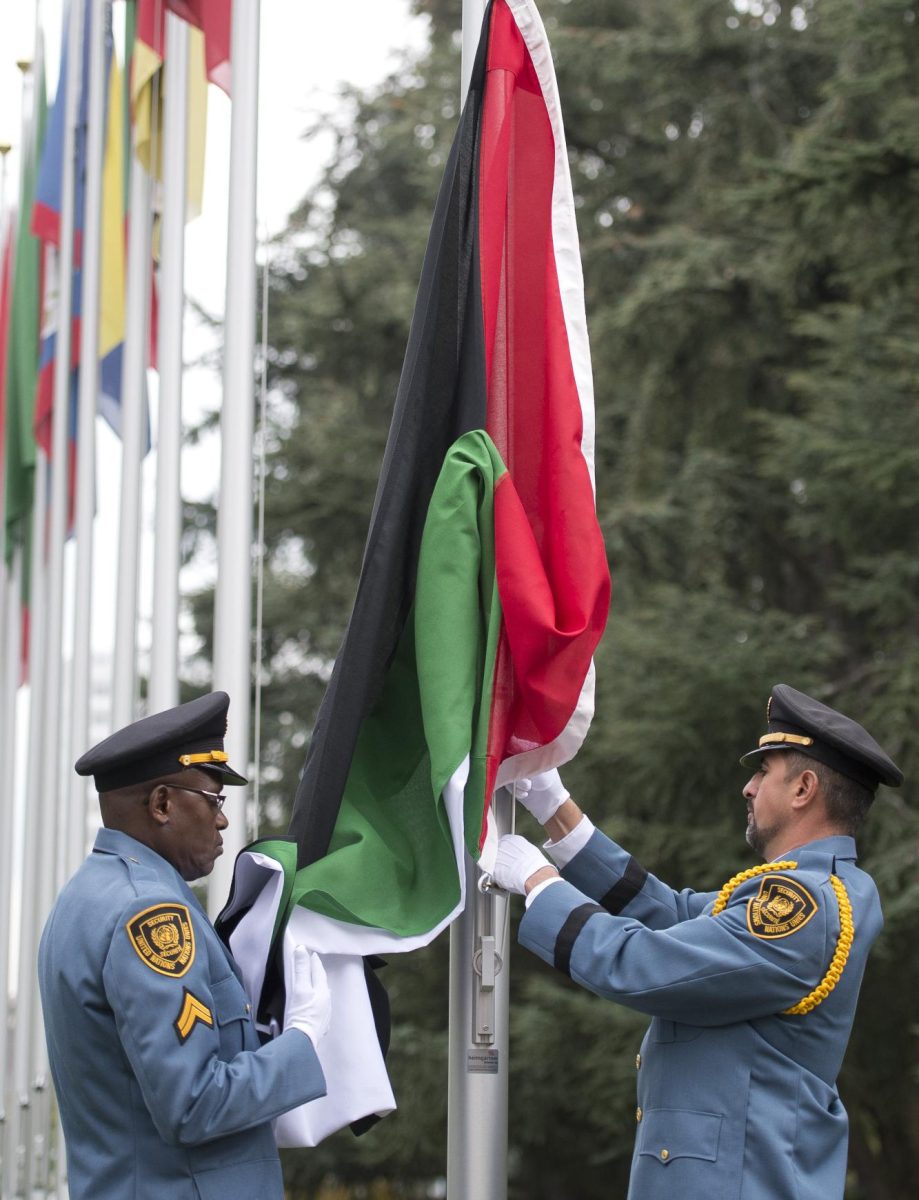






















The United Kingdom, Australia and Canada made a rare diplomatic move on September 21, jointly agreeing to officially recognize the state of Palestine. For the three Western countries, which had consistently steered clear of following this route in the past, such a coordinated move represents a clear turning point. These declarations were issued before the United Nations General Assembly in an attempt to coordinate a joint strategy to increase pressure on Israel and Hamas to resolve the Middle Eastern conflict. With the recognition, they join a total of over 140 states that recognize Palestine as a country. British Prime Minister Keir Starmer noted that “this signal shows the U.K.’s commitment to the two-state solution and lasting peace.” Australia and Canada also issued similar statements, suggesting that the recognition serves the purpose of peace by enabling different situations to be resolved by attempting a return to the 1967 border lines between Israel and Palestine. None of the three governments claimed that the step would directly result in less violence, but rather that the move would help restart talks that had been stuck for several years.
The moment the decision was made, former Israeli Prime Minister Naftali Bennett and the Israeli government responded without delay. Bennett claimed that recognizing Palestine “rewards violence” while “[weakening] Israel’s security.” Israel also called for the members of the Western bloc not to fall into this trap and thus not behave similarly to the U.K., Australia and Canada. The Palestinian National Authority, who currently lead the West Bank, said they were thrilled by this “historic and brave step.” Meanwhile, Gaza’s Islamist group Hamas, which also governs there, called it “a recognition that should have come long ago.” Some Arab and European nations welcomed the move right away, but the United States took a more careful tone. American officials said they still support the peace process and think recognition should happen only after direct talks between the two sides, not before.
This recognition doesn’t instantly make life better for Palestinians, but it has strong symbolic meaning and gives them a sense of being noticed by the world. With greater international support for the Palestinian Authority, other Western countries may follow suit in recognizing them as a result. The set of possible results of this event forms the basis for a debate that is still ongoing: In the opinion of some experts, this event may become a push for new peace efforts, while others believe that it may increase tensions between Israel and its allies. Others still see this as a meaningful gesture from the three countries that shows a readiness to turn the spotlight away from Washington and draw attention to their own position on world affairs. On top of that, it is also a sign of growing public pressure to react to the humanitarian crisis in Gaza and to show support for the creation of a Palestinian state.
The decision is the latest in a long-spanning history of them within the international community, raising debate over whether these acknowledgements are enough if they are merely symbolic steps in addressing one of the world’s most complex and agonizing disputes. On the part of Palestinians, it is an acknowledgment that they have been denied time and time again, but it still poses the question of if this diplomatic recognition will achieve any real progress.