



















Starting September 2, President Trump has overseen several military strikes on boats off the coast of South America that he’s alleged are responsible for trafficking narcotics (particularly cocaine) into the United States.
According to statements by Trump and Secretary of Defense Pete Hegseth, at least 67 people have died in the strikes. Questions have been raised about the legality of doing so without congressional approval as tensions have risen both within the U.S. and in northern South America.
The Trump administration has justified the strikes by claiming that those on the ships were “terrorists,” cartel groups or members of gangs (most notably Tren de Aragua). Specifically, the increasing number of drug overdoses in the U.S. has been the administration’s primary motivation, according to a notice given to Congress. Fentanyl, which has been the driver of the increase in overdoses in the U.S. in the 2010s and 2020s, primarily comes from labs in Mexico. Narcotics coming from South America (most often from Colombia, Bolivia and Peru) tend to be cocaine.
Several of the strikes have resulted in claims of innocent deaths, including several from Colombian President Gustavo Petro. Venezuelan President Nicolás Maduro has called the strikes “military attack[s]” and a “heinous crime.”
Throughout, the Trump administration has claimed success in each of their strikes, mentioning successful strikes against ships run by Ecuadorian gang E.L.N. (designated by the State Department as terrorists in 1997) and Tren de Aragua. According to Dominican officials, cocaine was found in the wreckage of a September 19 strike near the nation’s coastline. Strikes in the eastern Caribbean have also increased since October.
As these strikes have continued, relations between the U.S. and Venezuela have turned increasingly sour. Maduro, an authoritarian who held onto power in 2024 after a national election that was likely rigged in his favor (according to analysis by The Guardian), has stated that the Trump administration was trying to lead the two nations towards war.
According to a CNN report, Trump has mulled over a wide array of military options, including ground strikes. According to U.S. officials, Trump internally authorized the C.I.A. to conduct covert action against Venezuela in October, who also, according to a report by the New York Times, strongly believe that the end goal is to remove Maduro from power.
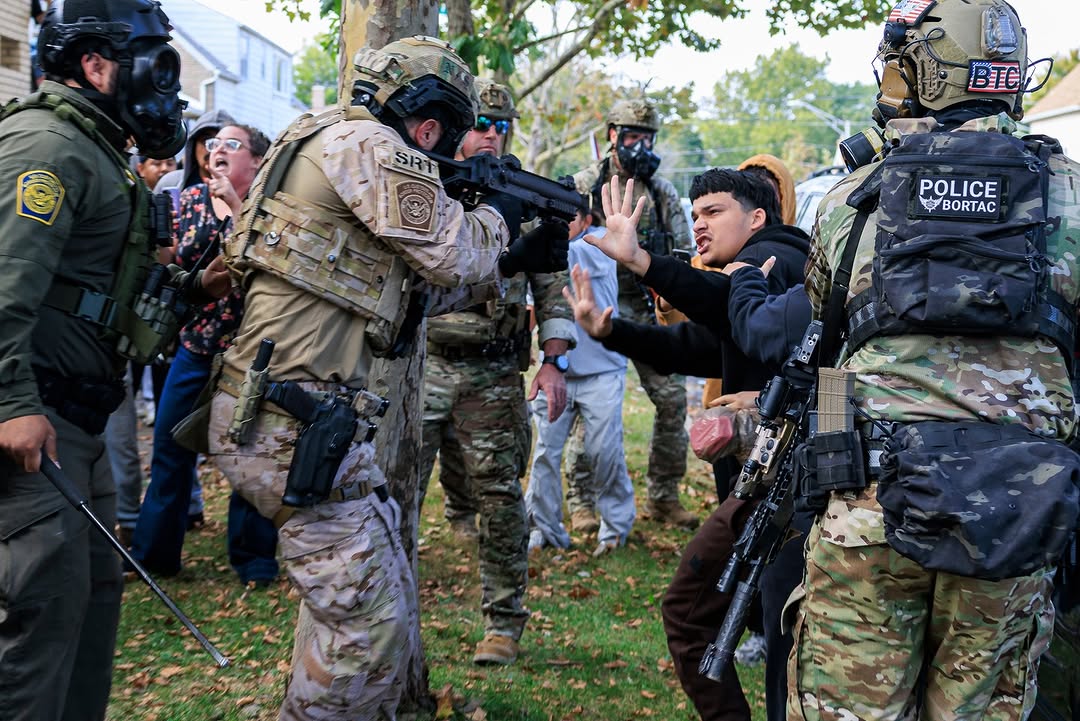
The legality of the strikes, both internationally and domestically, has been hotly debated. Trump has claimed self-defense, though most readings of international law don’t support the idea that legal force was justified in stopping the boats’ passage through international waters. Additionally, because the U.S. is not formally at war, it is difficult to declare passengers aboard the ships lawful targets of military action, even if it were confirmed that they were transporting narcotics into the country.
Within the U.S., Congress has taken mixed action. Typically, while presidentially-authorized military action such as air strikes can fall into a legal gray area, Congress can pass resolutions that prevent them from taking further action (constitutionally, only Congress can formally declare war). On October 8, Republicans in the Senate blocked a resolution that would’ve barred Trump from continuing these strikes. A bipartisan measure to prevent Trump from conducting ground strikes in Venezuela was similarly voted down.
It appears as if the Trump administration’s strikes on boats claimed to be carrying illicit drugs will continue as long as the administration wants them to. It remains to be seen to what extent Trump wishes to pursue military action against Venezuela — and how much action Congress will condone.