













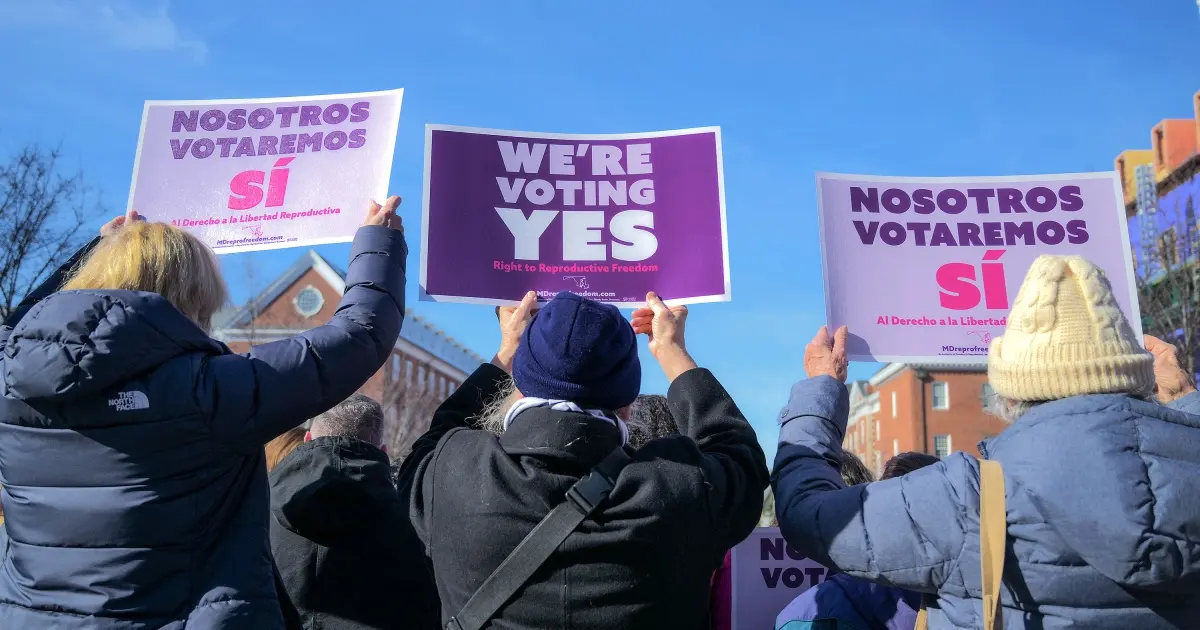
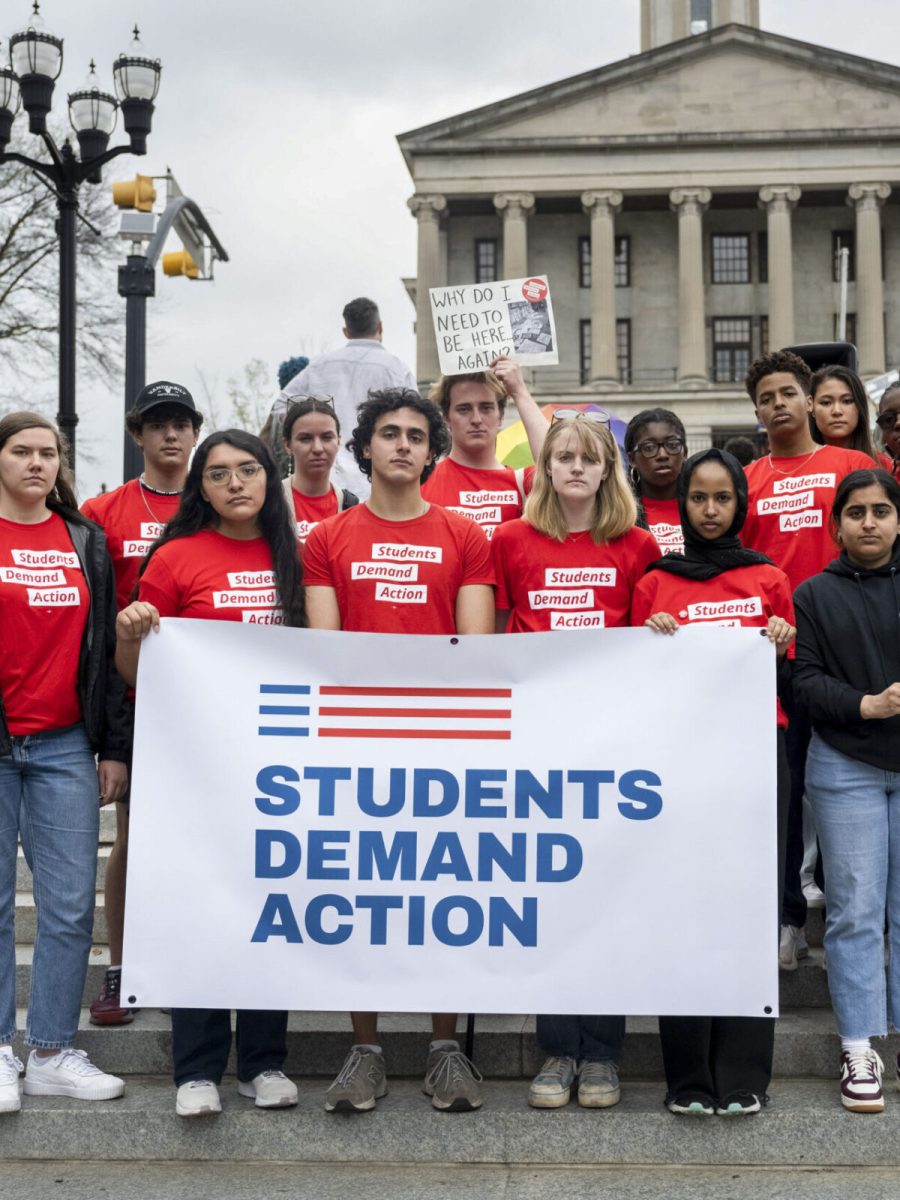
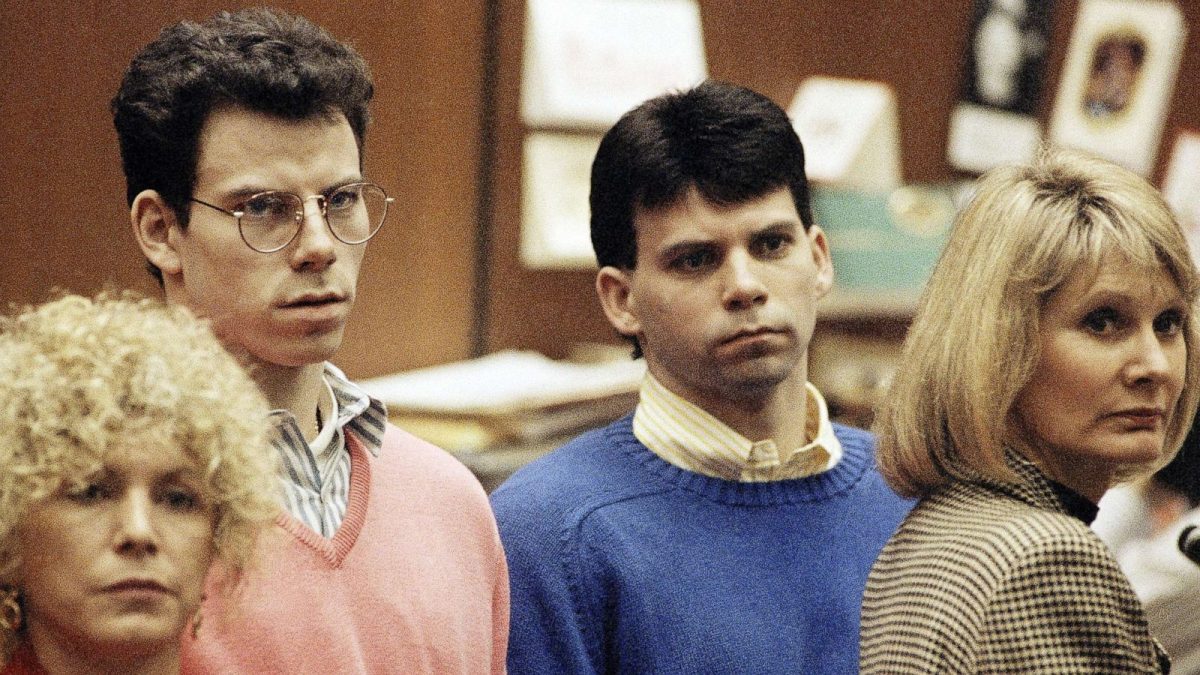
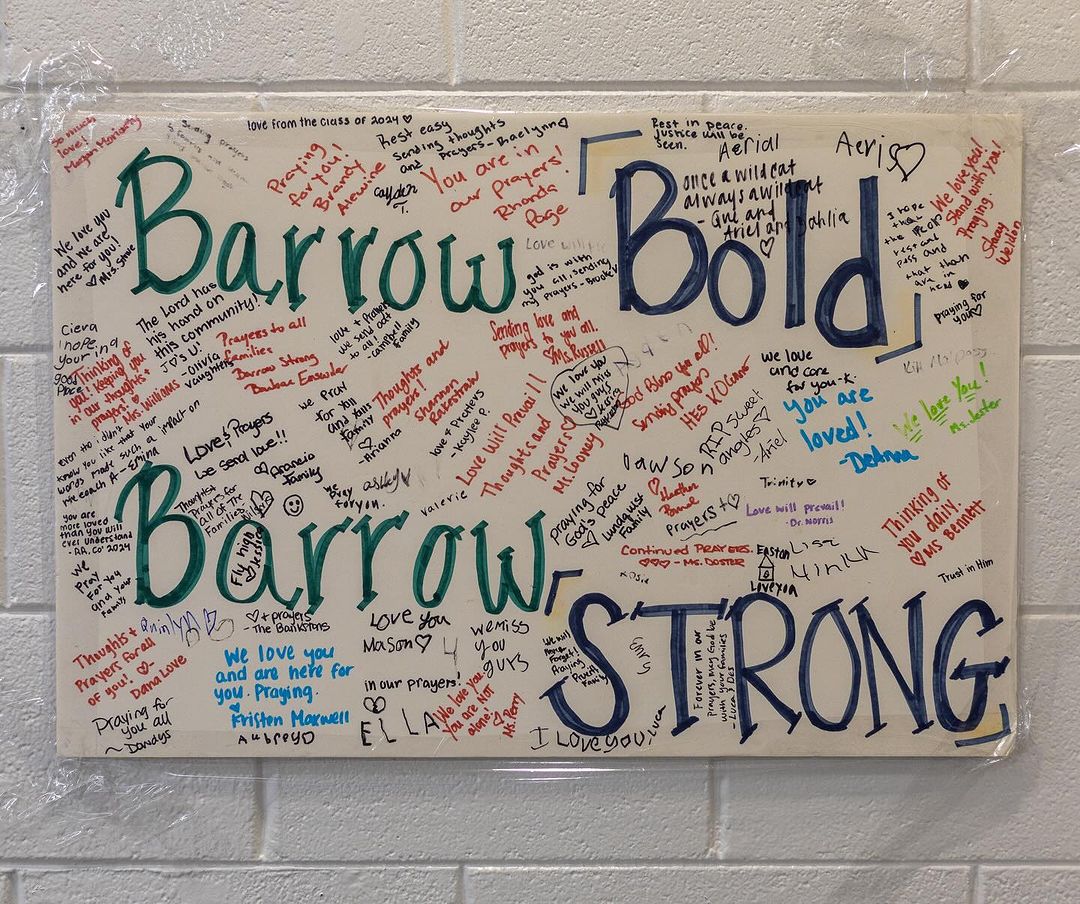
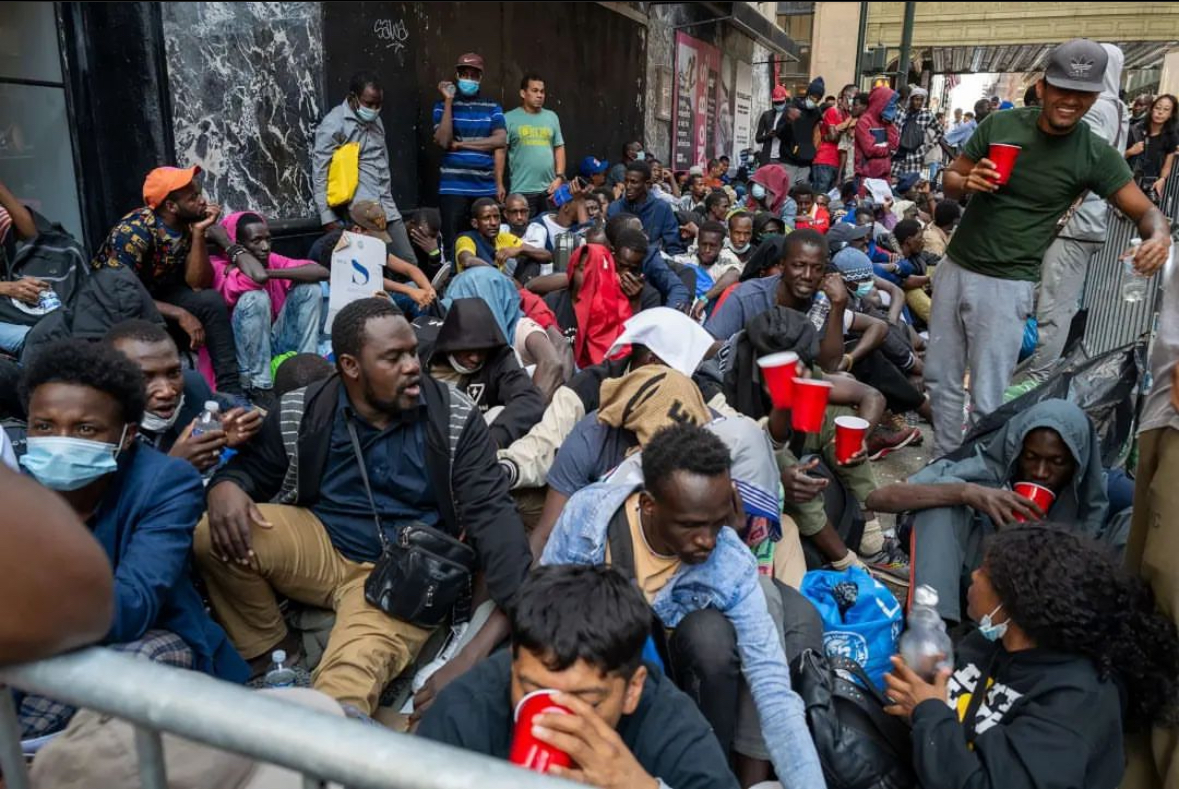

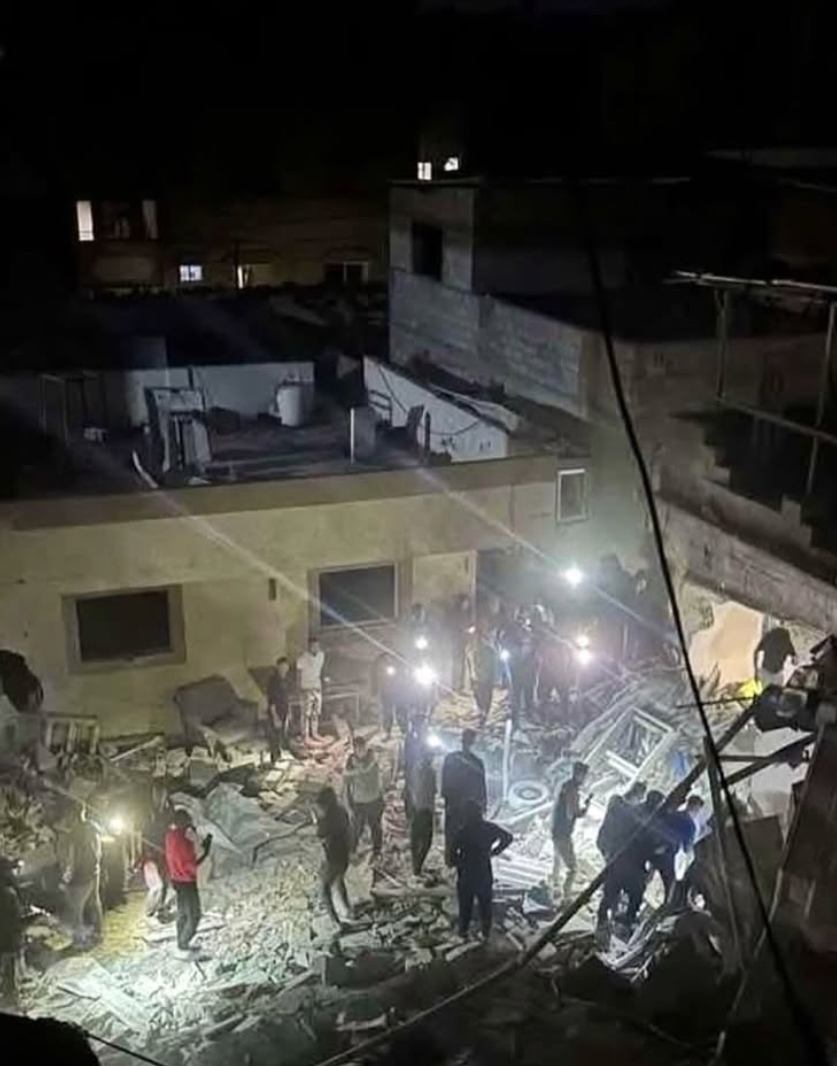
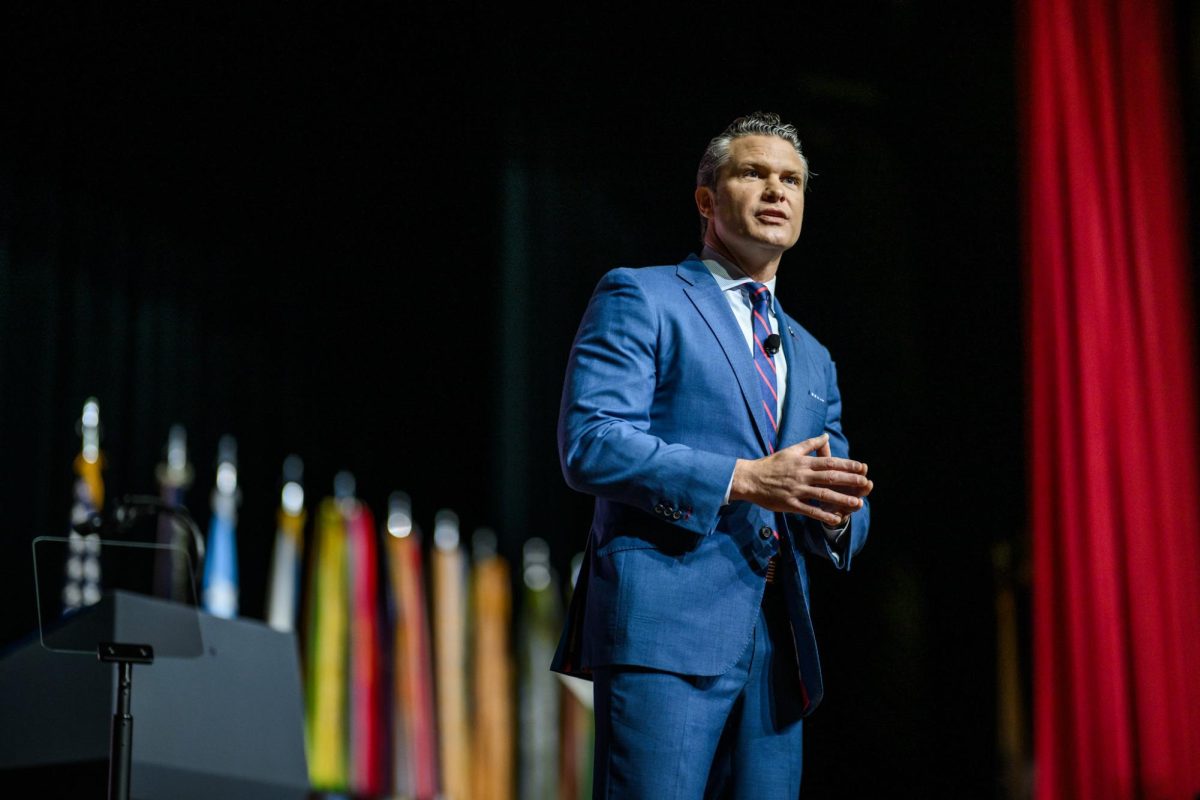
Somewhere in 2025, outrage stopped lasting past the headline. Not because the world got better, but because we learned to look away faster. As time goes on, world events get bigger, days get longer and news cycles become shorter. With the human attention span not lasting longer than eight seconds, nothing seems to faze people for a long period of time unless they’re directly affected by it. So, what went wrong in 2025 that we can’t even remember?
News cycles are an unbroken stream of information – constantly refreshing and demanding attention. With the rise of social media and online journalism, this stream has accelerated into an eternal avalanche. In 1970, the average person waited for the evening broadcast or the morning newspaper, a predictable rhythm that allowed news to settle in the public consciousness. Stories had time to breathe; audiences had time to reflect. By 2020, rhythm had vanished. There is no longer a clear beginning or end to a news cycle, only a relentless, 24-hour cadence powered by digital updates.
The result is an overwhelming surplus of information with no obvious path to follow. A catastrophic event may dominate headlines one moment, only to be displaced by a new story within hours, leaving little space for understanding before attention is pulled elsewhere. This art of moving forward encompasses the human survival instinct: keeping your mind focused on what is immediately useful for survival. For news, ‘survival’ is unfitting for the reader, yet people continue to overshadow certain things with stories that fit their personal needs. In the early hours of July 4th, 2025, Camp Mystic – an all-girls Christian camp – was seized by horrendous floods. What was supposed to be a second session full of craft making and waterskiing turned out to be one of the greatest tragedies in the state of Texas with a death toll of 27. Immediately, stories across various news outlets were published. While the public was informed of the natural disaster, its space in headlines would soon be taken by the relentless – yet normalized – next tragedy.
Beginning in early January of last year, wildfires ravaged across Los Angeles destroying nearly 16,000 houses. Due to harsh climate conditions, including the Santa Ana winds, the fires spread rapidly across the state claiming dozens of lives in the process. Over time, however, most of America returned to their usual daily lives. Suze Schwartz, a Los Angeles resident, claimed that “everyone got over it. People stopped looking.” As time went on, details became fuzzy, the impacts lessened, and the severity of the situation simply dissipated from memory. A theory called ‘memory decay’ refers to the weakening of stored information over an extended period of time. Things you hear on the news that are stored in your memory will gradually fade when the brain is not actively maintaining them through retrieval and recollection. When combining shortened news cycles and memory decay, information that you do not deem as important in your everyday life easily fades from your subconscious.
In 2026, one of the greatest dangers is not what news events happen, but how quickly we are able to forget them. In a world that thrives on viral moments, short-lived fame, and quickly replaced news stories, it is in our best interest to choose humility over ignorance. Before easily forgetting an event, consider your own vulnerability. After all, the spotlight can turn on anyone at any moment – and when it does, do we want to forget our humanity just as quickly?

Terry Lewis • Jan 16, 2026 at 8:21 am
Great article. It should be on the opinion page of the NYT. It is beaitifully written. The contents are so true and so sad.
Papa • Jan 16, 2026 at 8:18 am
This was fabulous; I had no idea that you were able to communicate such wisdom ; keep it up !!!!!!!!