


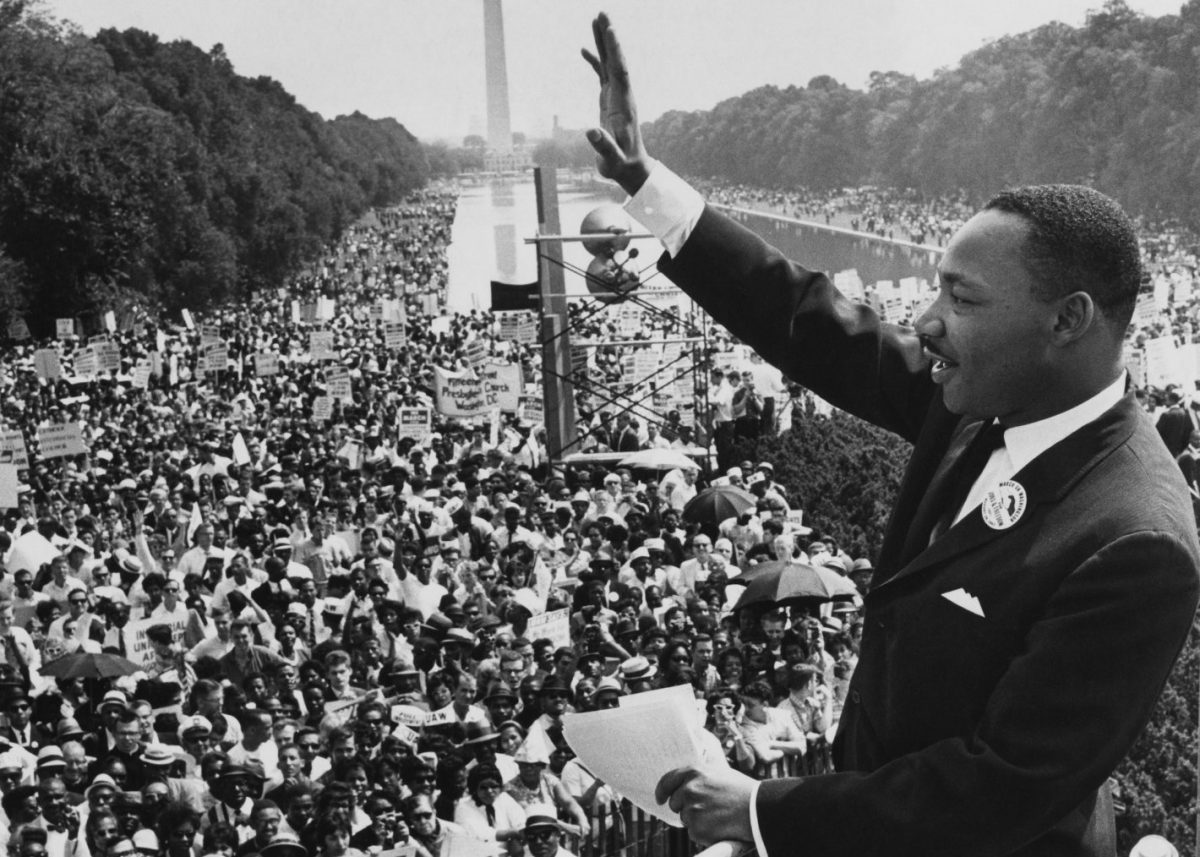












“Life’s most persistent and urgent question is, ‘What are you doing for others?’” Dr. Martin Luther King Jr. asked that more than half a century ago, and it still feels uncomfortably relevant. Each January, Americans observe Martin Luther King Jr. Day on the third Monday of the month. But MLK Day is not meant to be just another day off from school or work. It is meant to challenge people to remember Dr. King by continuing his fight for justice through service and action.
Dr. Martin Luther King Jr. was one of the most important leaders of the Civil Rights Movement, using nonviolent protest to confront segregation, discrimination, and the denial of voting rights. After his assassination in 1968, supporters began pushing for a national holiday in his honor. The idea faced political resistance and public debate, but Congress finally passed a bill in 1983, which President Ronald Reagan signed into law. Martin Luther King Jr. Day was first observed nationwide in 1986. Creating the holiday was significant because it marked the first time an individual African American was honored with a federal holiday.
Over time, MLK Day has become known as a “day on, not a day off,” emphasizing service instead of celebration. Across the country, people volunteer at food banks, clean up neighborhoods, organize donation drives, and attend educational programs about civil rights. These activities reflect Dr. King’s belief that social change depends on ordinary people stepping up for one another. Service connects directly to his ideas about nonviolence, equality, and shared responsibility. Rather than treating the day as a break, Americans are encouraged to use it as an opportunity to make a small but meaningful difference in their communities.
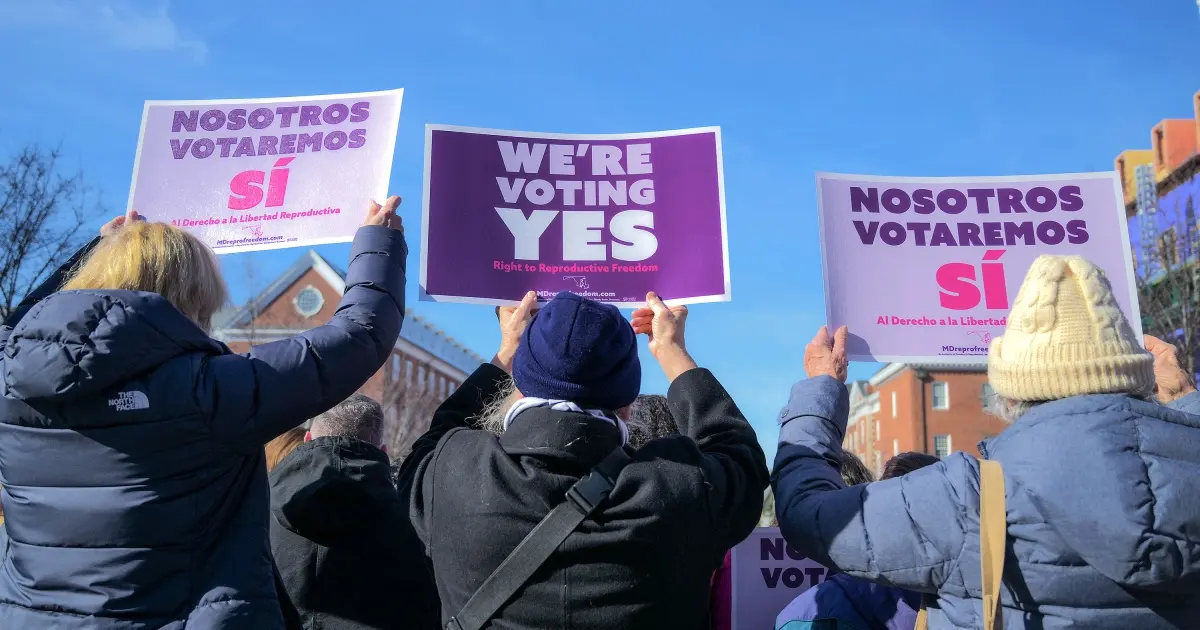
Dr. King’s message still applies to many of today’s struggles, including racial injustice, voting rights debates, and economic inequality. His belief that “injustice anywhere is a threat to justice everywhere” reminds people that these issues are not isolated. For younger generations especially, MLK Day offers a chance to see civil rights as an ongoing responsibility rather than a finished chapter in history. The holiday encourages students to think critically about fairness and to take action, even in small ways. Remembering Dr. King means recognizing that his dream has not yet been fully realized.
Martin Luther King Jr. Day is not only about honoring the past, it is about shaping the future. It challenges Americans to live out Dr. King’s values through service, courage, and compassion. Carrying his dream forward means choosing action over apathy and justice over comfort.