





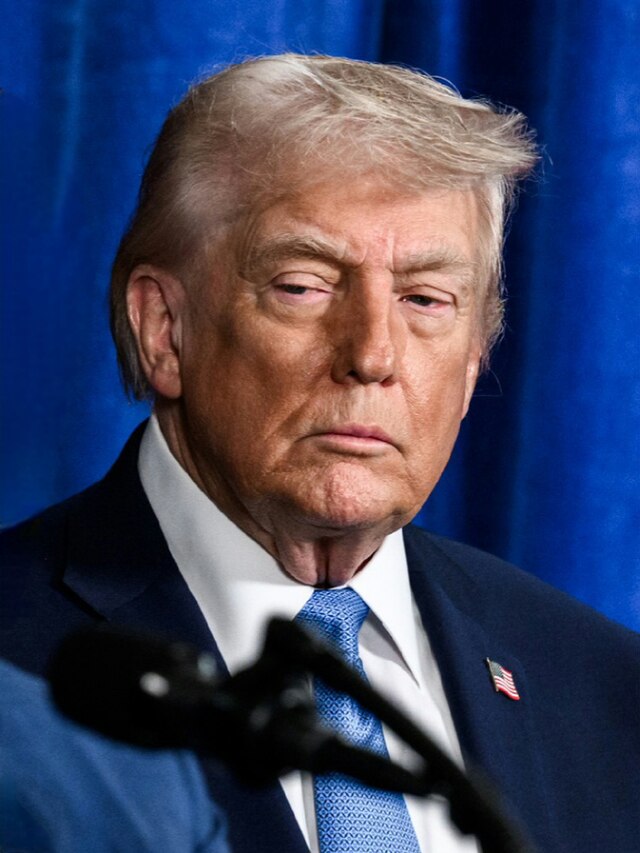












On January 6, the Trump administration and Department of Health and Human Services (HHS) froze $10 billion in child-care and family assistance funds for five Democratic states. The impacted states, Minnesota, California, Colorado, New York and Illinois, filed a lawsuit against the freeze, labeling it illegal and unconstitutional. They also called it immoral, citing the importance of these funds for thousands of low-income families and their children. The freeze was struck down by a federal judge, and a restraining order was placed on the funding suspension. However, the President has not been discouraged, stating on January 13 that beginning February 1, the federal government will not make any payments to states with sanctuary cities, like Illinois, New York and California.
Frozen funds included $7 billion towards the Temporary Assistance for Needy Families program (TANF), $2.4 billion for the Child Care and Development Fund (CCDF) and would also freeze money allocated towards the Social Services Block Grant (SSBG). The TANF program gives states the resources to give families short-term financial assistance, and the SSBG provides funding for other social service programs needed by the state. The CCDF was established to help parents access child-care while they are at work. These programs gave essential aid to children in low-income families, which has led to criticisms of the decision. Democratic leaders have accused President Trump of ignoring children in need, and instead using the money as a political tool. HHS Secretary Robert F. Kennedy Jr. has stated that the freeze was intended to ensure that the funds were being used properly, so that they could have the greatest impact on needy families. He has also claimed that the five affected states were not cooperating in the Trump administration’s attempts to curb misuse of funds.
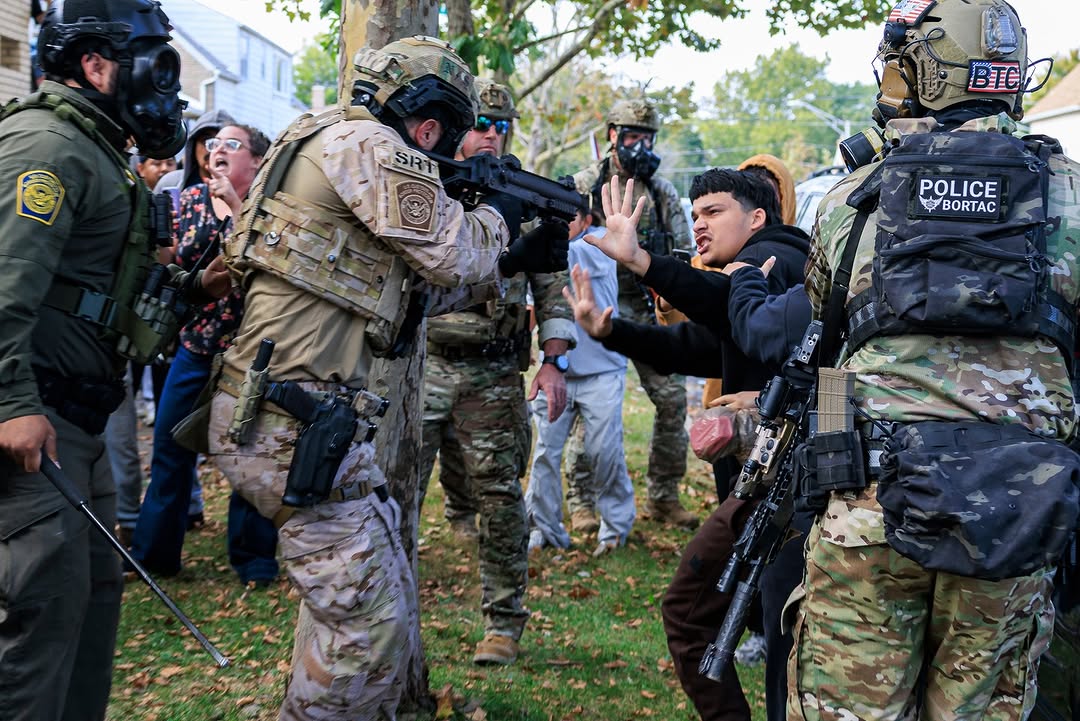
This move by the Trump administration was influenced by alleged welfare fraud uncovered in Minnesota. Funds directed towards child nutrition, housing and disability programs have been connected to possible fraud, causing President Trump to crack down on immigration and government funding in Minnesota. During the scandal, Governor Tim Walz withdrew his reelection bid. The situation in Minnesota escalated after an Immigration and Customs Enforcement officer fatally shot an unarmed woman, sparking outrage across the nation. Despite the evidence of fraud found in Minnesota, the administration offered no evidence condemning the other four states.
In a post on X, Secretary of Agriculture Brooke Rollins announced that the United States Department of Agriculture would also suspend about $130 million of federal financial awards to Minnesota, as a result of the fraud.
This is not the first time Trump has been accused of targeting states he disagrees with. During the government shutdown last fall, over $27 billion in projects primarily located in Democratic states were frozen by the President. This compares to just $74 million in Republican states. The President also tried to cut disaster preparedness funds for states that would not comply with his immigration policies, although this was struck down in court.