



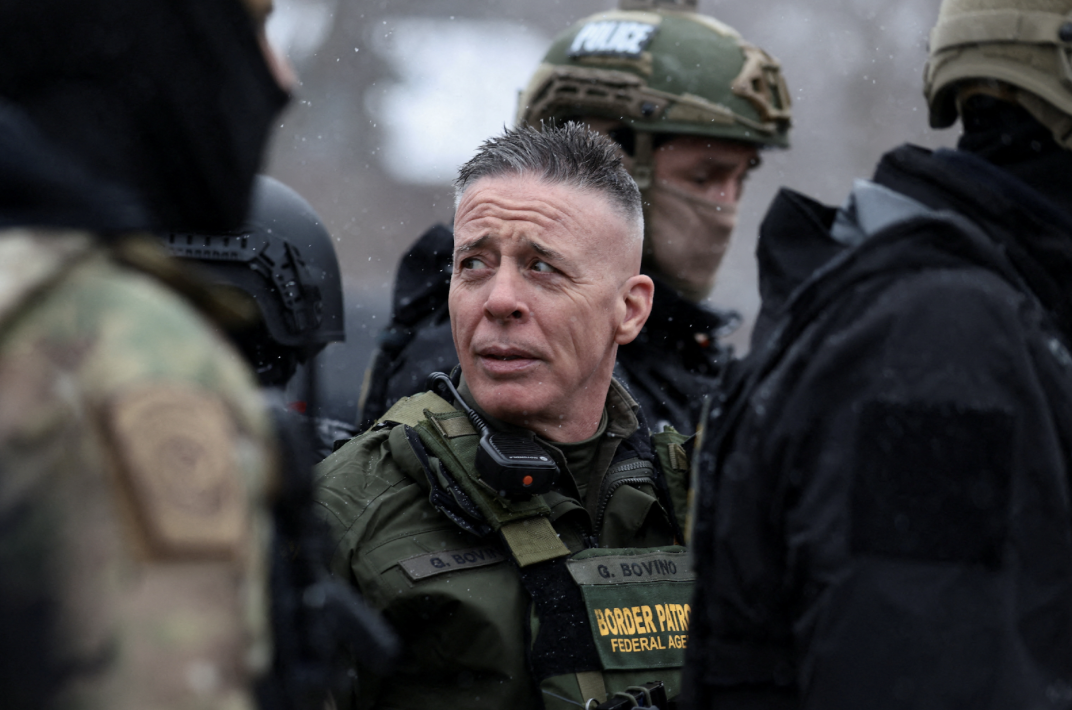

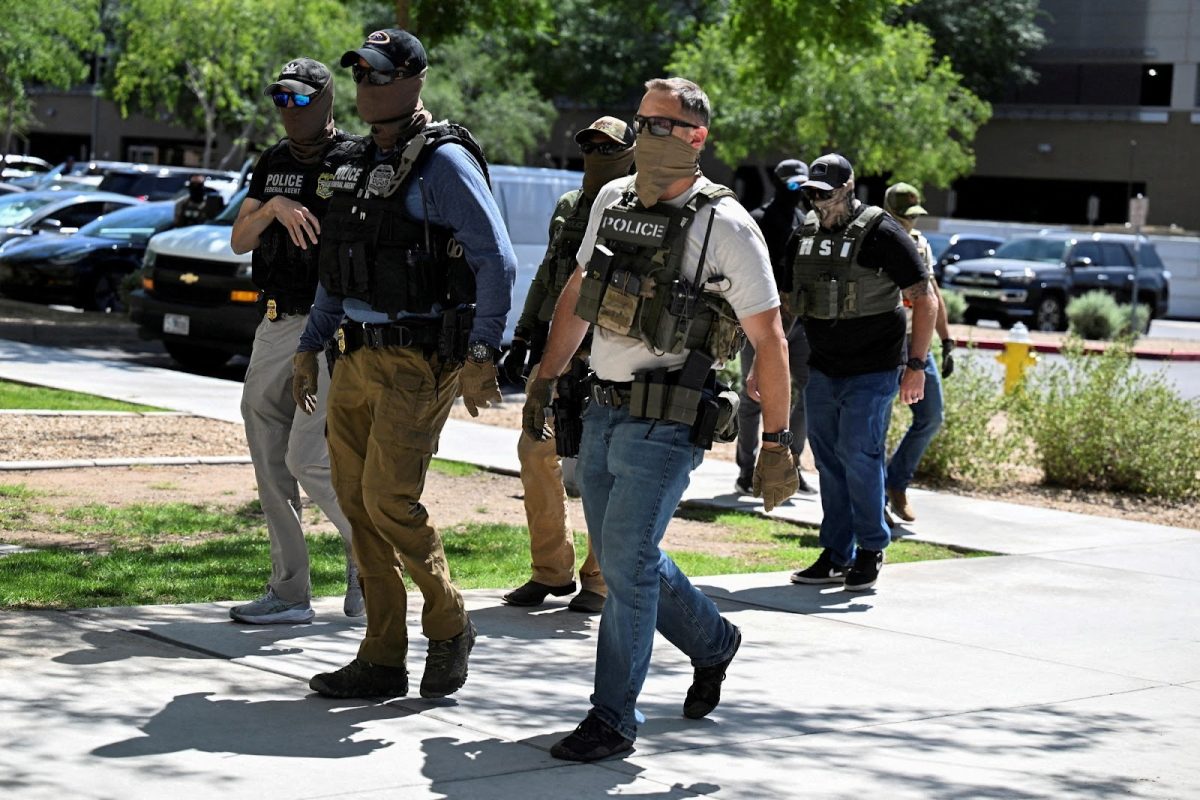
















On Monday, January 12, officials in Minnesota and Illinois filed lawsuits against the U.S. Department of Homeland Security (DHS) and the Immigration and Customs Enforcement (ICE) agencies for their military-style immigration operations, stating that the actions violate state rights under the 10th Amendment. The lawsuits were filed in federal court and seek an immediate halt to the operations within both states. To back up the lawsuit, the states claimed that this is federal overreach that infringes on state sovereignty and undermines public safety instead of improving it.
Minnesota Attorney General Keith Ellison emphasized that the lawsuit does not oppose immigration enforcement itself, but focuses on the unlawfulness of ICE’s militarized tactics. He stated that the state has a constitutional duty to protect the health and safety of everyone within its borders. He also argued that the Department of Homeland Security is not adhering to federal law, adding that states have the right to challenge federal actions that directly harm their residents. Minnesota’s complaints also mentioned discrimination against Somali and Hispanic communities, and cited specific incidents in which U.S. citizens were detained based on appearance. The lawsuit argues that these actions violate civil rights protections guaranteed under U.S. law.
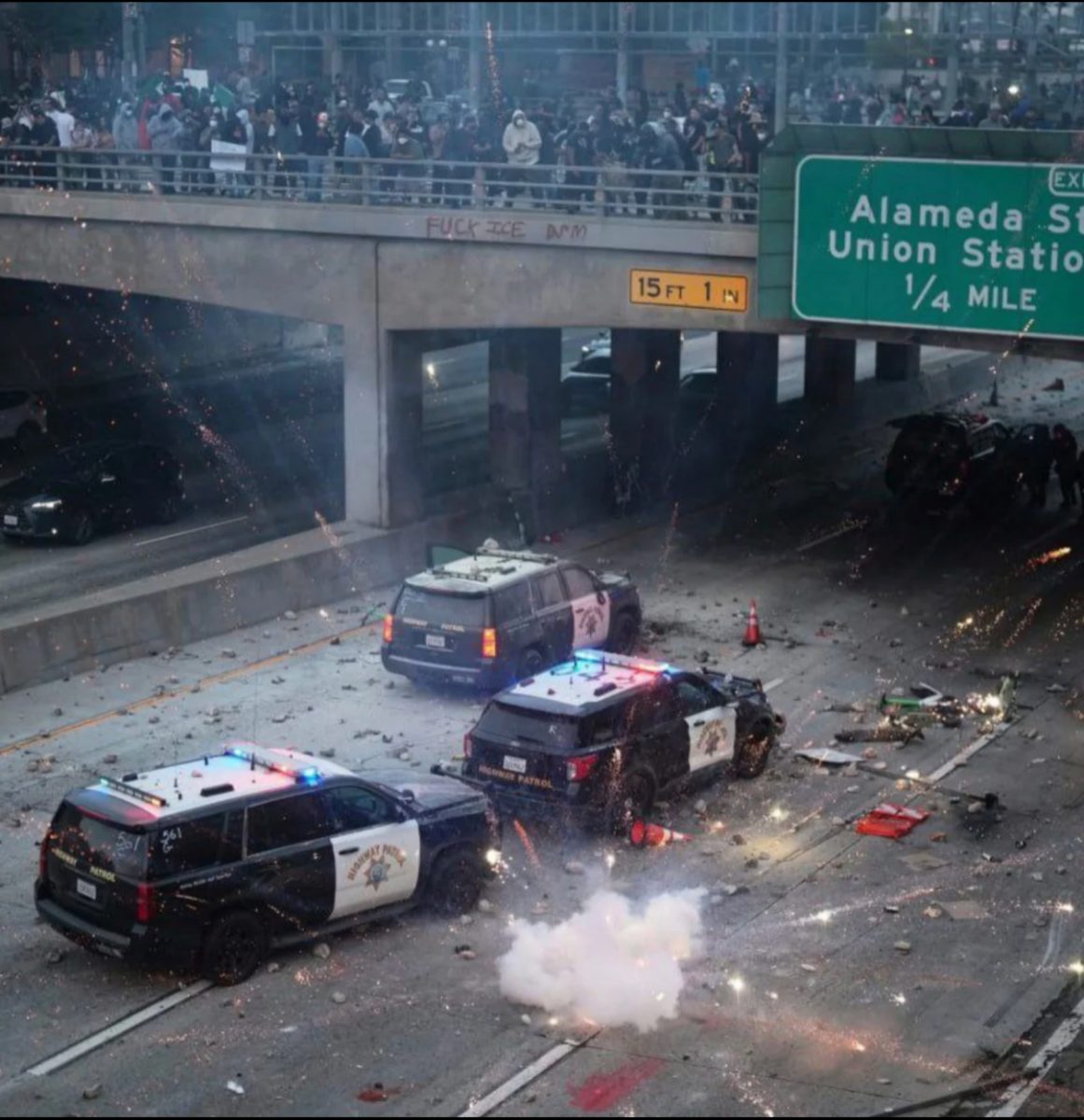
Specifically, an incident in Minneapolis where Renee Nicole Good, a 37-year-old U.S. citizen and mother of three, was killed by an ICE agent, intensified protests and public backlash against immigration control. Although the events that led to Good’s murder remain under investigation, the incident sparked demonstrations across the city and renewed criticism of federal enforcement tactics.
Illinois Governor JB Pritzker communicated similar concerns. Pritzker stated that the state of Illinois will hold President Trump and his administration accountable for the unlawful and abusive enforcement tactics. He argued that the use of intimidation-based strategies damages trust between immigrant communities and local law enforcement agencies. Pritzker added that when communities are afraid to cooperate with police, public safety for everyone is weakened.
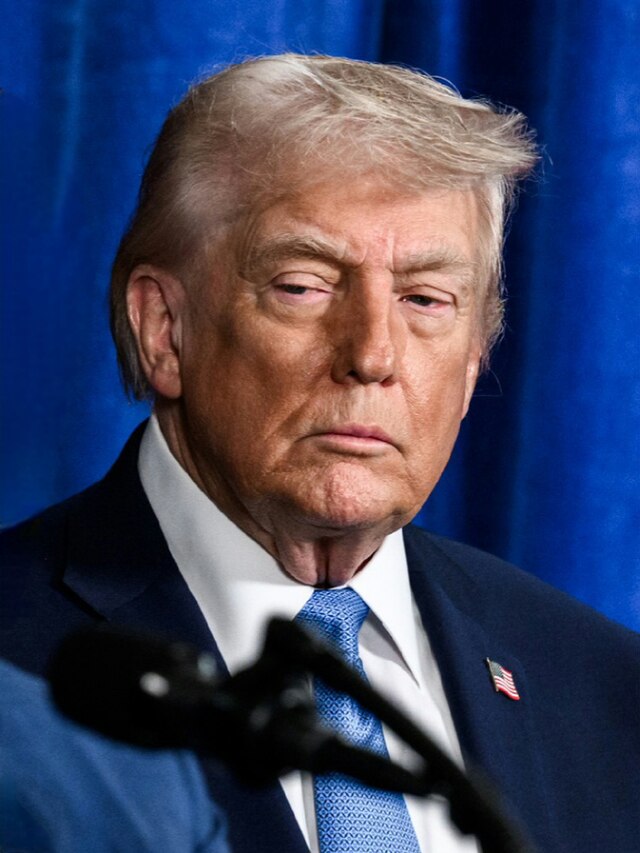
Both states pointed out the hostility from federal officials. State leaders argue that federal agencies have ignored repeated warnings from local governments and community organizations. Still, the Trump administration maintains that the Constitution grants the federal government the authority to enforce immigration law. President Donald Trump publicly defended ICE’s actions while dismissing state opposition and citizens’ protests. Administration officials have described the lawsuits as politically motivated attempts to block lawful enforcement.
The lawsuit marks another battle in the growing constitutional conflict between states’ rights and federal powers with regards to immigration enforcement, as the Trump administration maintains it has the constitutional power to continue its strict and rough-edge enforcement. Legal experts say the outcome of the cases could set a precedent for how far states can go in limiting federal immigration enforcement within their borders. If the states succeed, the rulings could limit the federal government’s ability to carry out similar operations without state cooperation. If the federal government prevails, it may reinforce broad federal authority over immigration enforcement, regardless of state opposition.
As the legal battle between the Trump administration and states impacted by ICE’s presence continues, the lawsuits highlight the deep national divide over immigration policy and enforcement methods. Beyond legal arguments, the dispute raises broader questions about civil liberties, public safety and the balance of power between state and federal governments. The outcome of the cases will influence future immigration enforcement strategies across the country.