








The New Year is a giant celebration that’s observed around the world. Global festivities often consist of fireworks, traditions and public gatherings. Communities from the U.S. to Tokyo welcomed 2026 with customs that emphasized renewal and hope across cultures.
Each community and person has their own traditions to usher in the new year. Spain eats 12 grapes under the table as the clock ticks down, a tradition believed to bring good luck that has spread around the world. Japan celebrates with the ringing of temple bells to emphasize new beginnings, and in Brazil, people clad in white jump seven times to bring in good fortune for the new year. In Sydney, Australia, fireworks light up as people gather by the waterfront.
Many of these traditions have deep historical roots, often tied to religious beliefs or symbolic concepts related to luck and renewal. In East Asian cultures, the New Year often emphasizes family reunions and respect for ancestors. In Europe and South America, food plays a central role, with specific dishes believed to bring health and wealth in the upcoming year. Despite regional differences, these customs share the same purpose of entering the new year with optimism and a sense of intention.
New Year’s celebrations often emphasize reflection on the past year and planning for the one ahead. Events, holidays, religious customs and family gatherings highlight a moment of transition across the world.
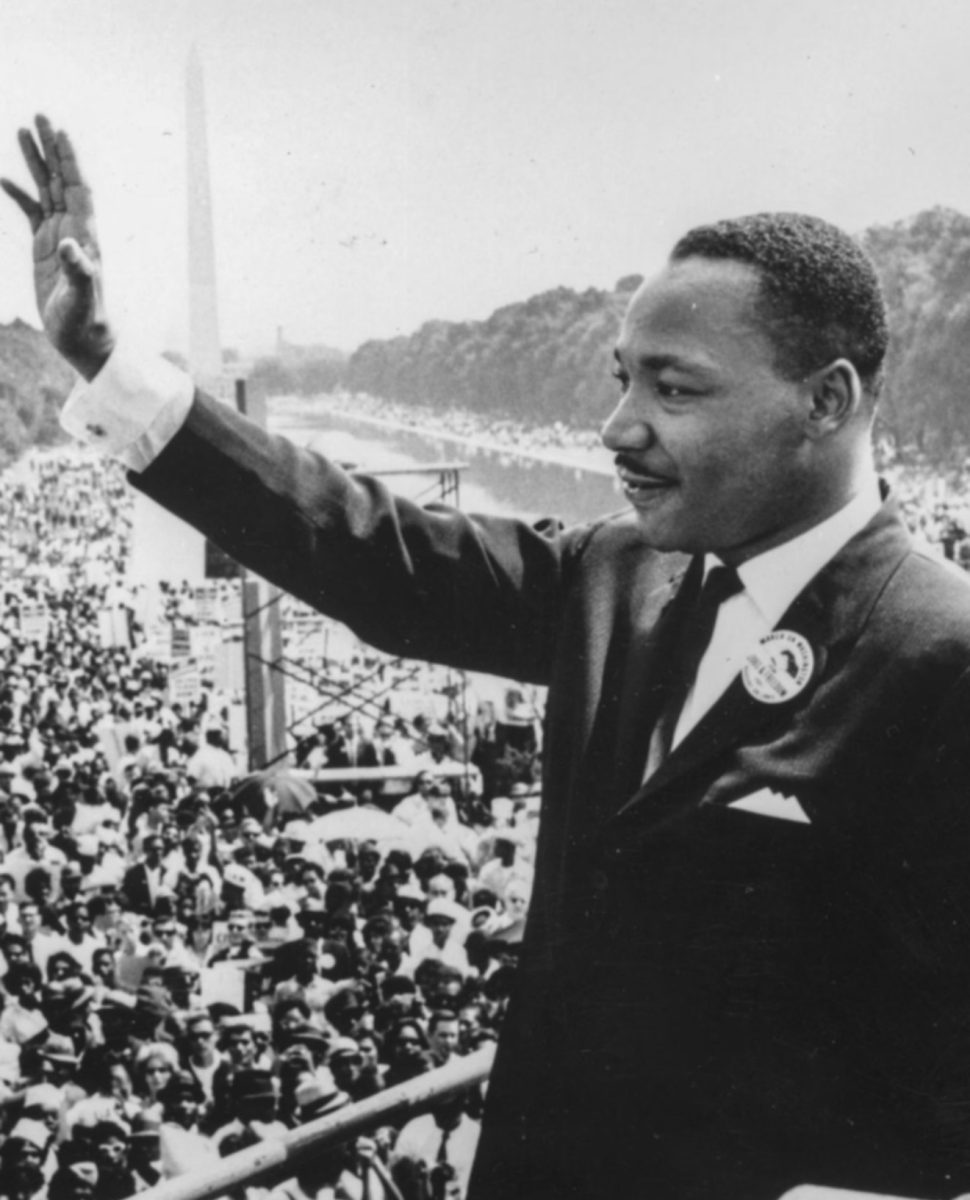
In the first weeks of the New Year, the United States celebrates Martin Luther King Jr. Day, a federal holiday observed on the third Monday of January. MLK Day honors the legacy of the renowned civil rights leader and activist who fought back using nonviolent protest. The New York Times emphasized that his work was “instrumental in challenging the racial caste system that delineated how millions of Americans lived their lives.”
Martin Luther King Jr.’s leadership during the civil rights movement of the 1950s and 1960s played a crucial role in the future of racial equality in the United States. His philosophy of nonviolence, inspired by Mahatma Gandhi, emphasized peaceful protest as a powerful tool for social change. His work enabled major achievements to combat the systemic issue of racial discrimination, such as the Civil Rights Act of 1964.
King is commemorated through various activities that include ceremonies, educational programs and community service. Organizers of MLK Day celebrations emphasize the importance of viewing the celebration as a “day on, not a day off,” promoting individuals to participate in volunteer work and communal engagement. Locally, students and community members are encouraged to participate in service projects and discussions that focus on the importance of King’s legacy and how it remains relevant in today’s society. Service events on MLK Day often focus on issues such as hunger, education and housing. These projects allow participants to turn reflection into action.
Schools often use the day to host assemblies and dialogues that explore King’s role in history and the impact of the civil rights movement. Many others, including LFA, give the day off to provide time for reflection. MLK Day serves as the starting point for long-term projects that continue throughout the year and contribute to communities.
As the New Year begins, traditions around the world and MLK Day discussions in the United States highlight the importance of aspects of renewal and rebirth. New Year’s Day marks the beginning of a global transition, while MLK Day emphasizes remembrance, service and civil justice. Together, these holidays in the year’s opening month are not just a time for celebration and relaxation, but also for reflection and engagement within communities.
By connecting global celebration with a national day of remembrance and service, the year commences with encouragement for personal growth and collective responsibility. While people set personal goals for themselves, they work to exemplify the values of equality and justice as a community.
The New Year serves as a time for a reset around the world, and MLK Day provides a specific, scheduled opportunity for education and civic engagement soon after. By occurring within a short period of each other, these events contribute to the broader time for reflection that influences decisions, schools and communities.
Together, the positive momentum from the New Year and MLK Day creates a powerful opening to the year, shaping conversations about identity, responsibility and hope. They remind people that meaningful changes require both reflection and action.
As people begin to settle into 2026, both global and national celebrations continue to shape how people reflect on the past year and the year ahead. Together, these holidays mark a transitional period at the top of the calendar, highlighting how communities must be able to balance celebration with reflection as they begin their new year.