












Every GRAMMY ceremony tells a story about music, but it also tells a quieter one about power, legitimacy and who gets taken seriously. This year, the award show continued to entertain viewers with breathtaking performances and heartfelt acceptance speeches. Although some wins came as no surprise, Best New Artist, Song of the Year and Record of the Year dominated the headlines.
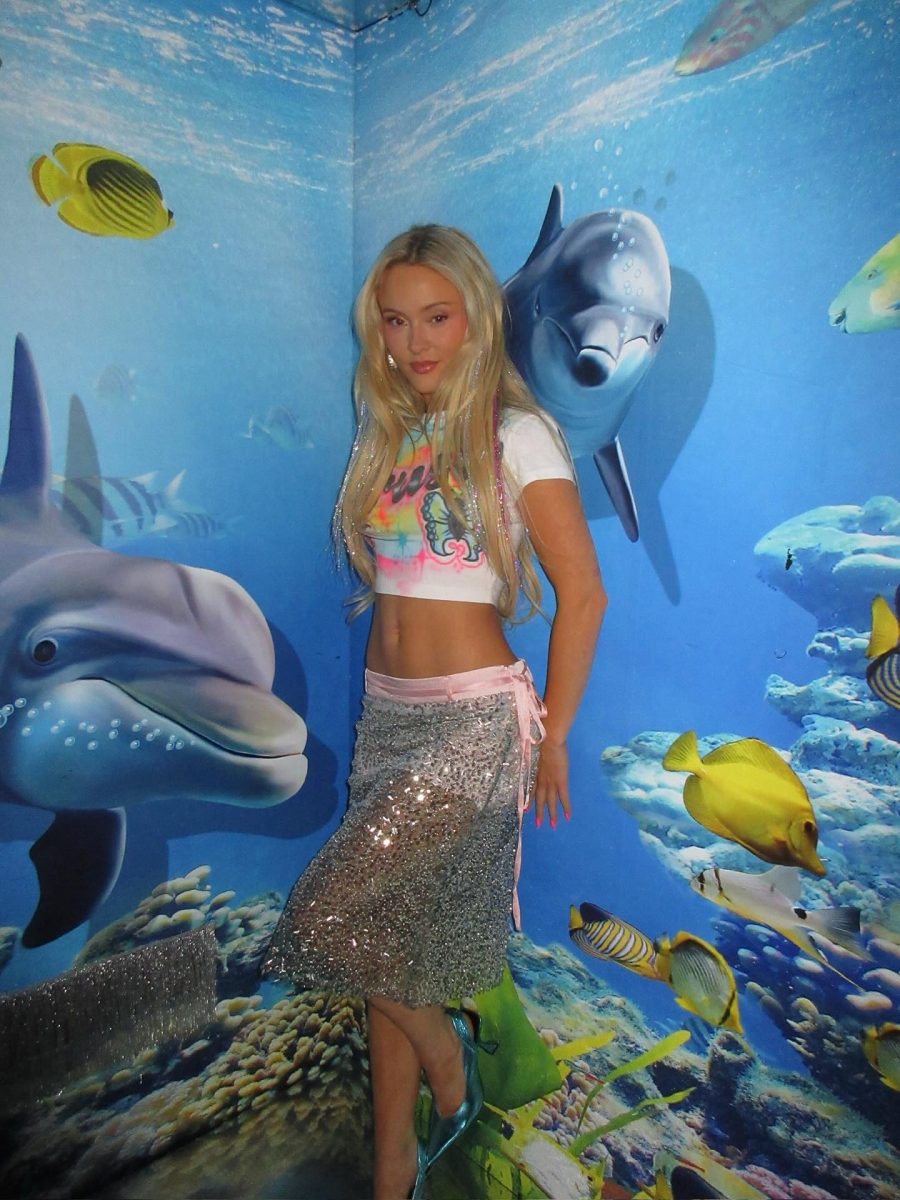
This year, the GRAMMYs contained a special performance from all of the Best New Artist candidates – this included Olivia Dean, KATSEYE, The Marías, Addison Rae, Sombr, Leon Thomas, Alex Warren and Lola Young. Global girl-group KATSEYE sang their iconic hit “Gnarly,” sparking controversy across the audience; the high energy and intensity simply didn’t sit right with the public. While some deemed it as iconic, others questioned its fit for the ceremony, finding it messy and chaotic. The conclusion was this: it felt overpowering, but not powerful.
The audience sat anxiously awaiting Alex Warren’s “Ordinary” only for it to subsequently fall short. Warren faced serious issues with his audio and eventually went completely off timing. However, the new artist was applauded for his composure throughout the night, completing his song and singing to the best of his ability.
Finally, it was time for the Best New Artist award. This year, Olivia Dean became victorious, winning her first-ever GRAMMY. During her tearful acceptance speech, she claimed that she feels fortunate enough to be “the granddaughter of an immigrant” – a recurring theme of the entire award show.
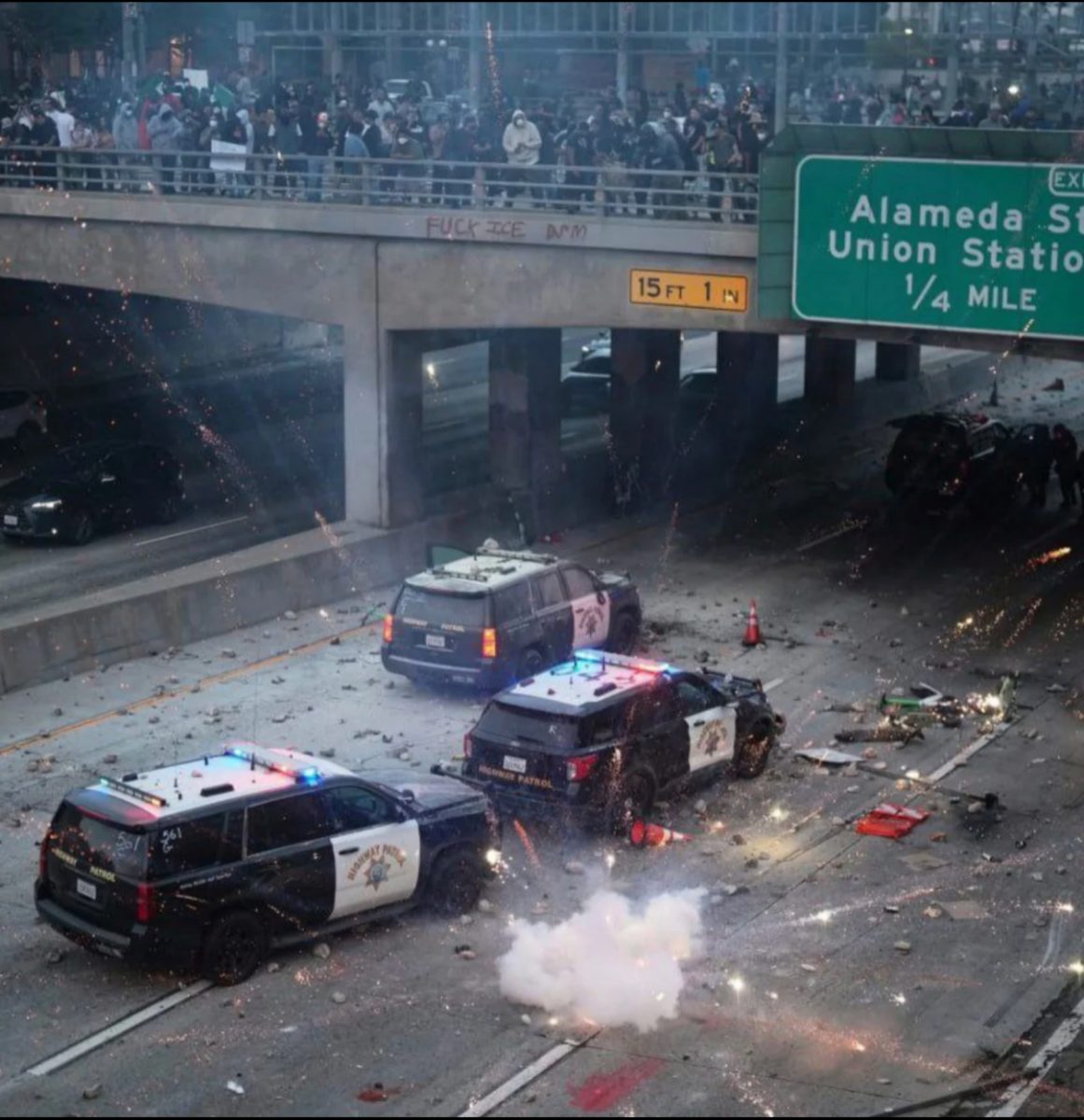
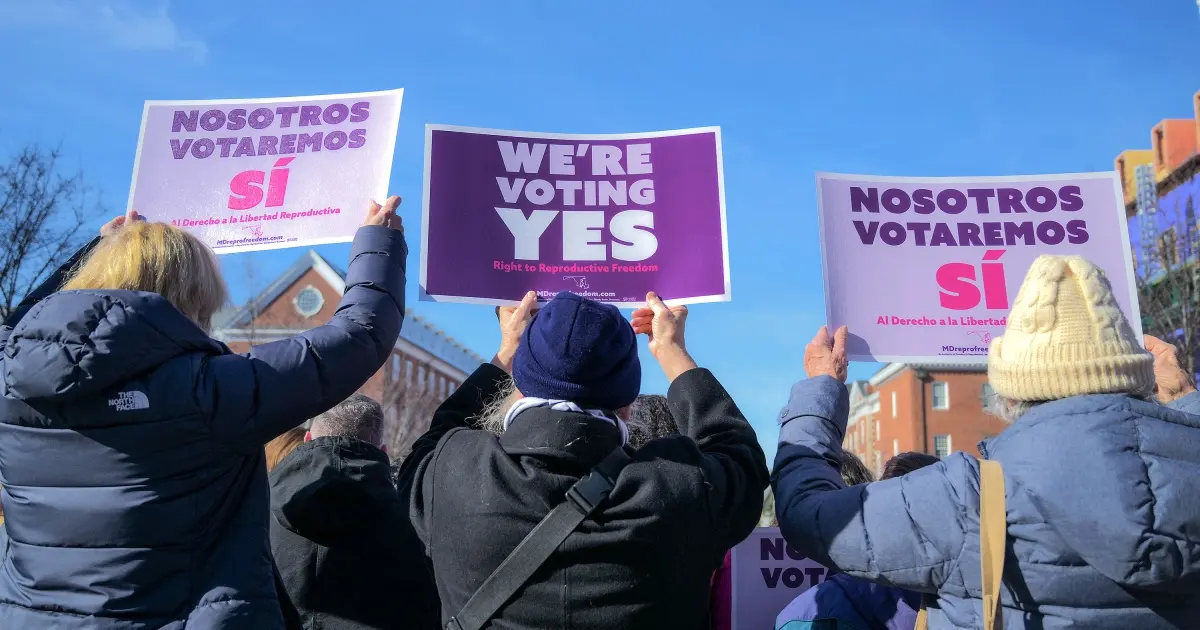
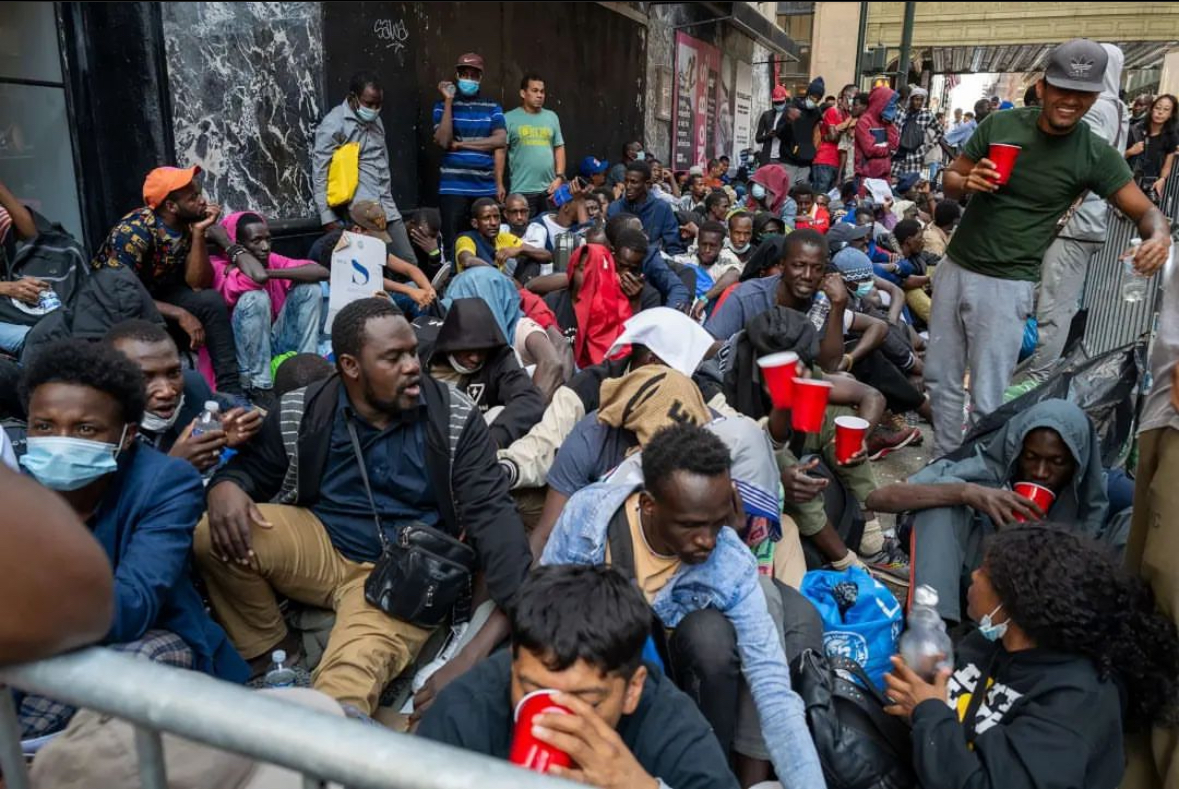
Undoubtedly, immigration was addressed throughout the night, with agents from Immigration and Customs Enforcement repeatedly called out. Celebrities wore “ICE out” pins condemning the recent actions of the federal agents. Numerous acceptance speeches, including SZA’s and Bad Bunny’s, touched on the topic, followed by standing ovations and roaring applause.
The Song of the Year category managed to be one of the most competitive, ranging from Doechii to Sabrina Carpenter and Bruno Mars. The award was eventually presented to the sibling pair of Billie Eilish and Finneas O’Connell for their song “Wildflower.” While people congratulated their milestone, questions arose pertaining to the timeliness of the award. The song was originally released in 2024, and then re-released as a single in 2025, marking one of the most delayed recognitions in the history of the GRAMMYs. Eilish did not, however, disappoint with her speech, slamming ICE saying that “no one is illegal on stolen land.”
At the GRAMMYs, Record of the Year reaffirmed its place as the ceremony’s most esteemed recognitions. The highest-nominated artist at the award show, Kendrick Lamar, won yet again for his song “luther” with SZA after he took home the Record of the Year last year. With this win, Kendrick Lamar solidified his legacy becoming the most-awarded rapper in GRAMMY history, reaching a total of 27 wins.
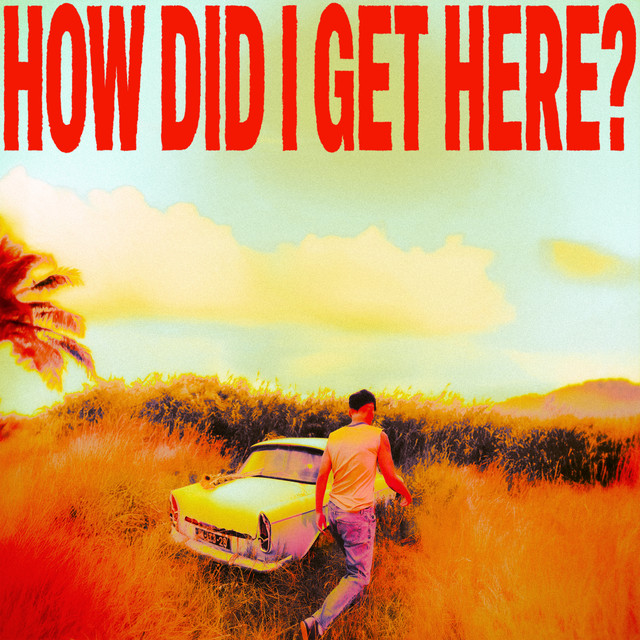
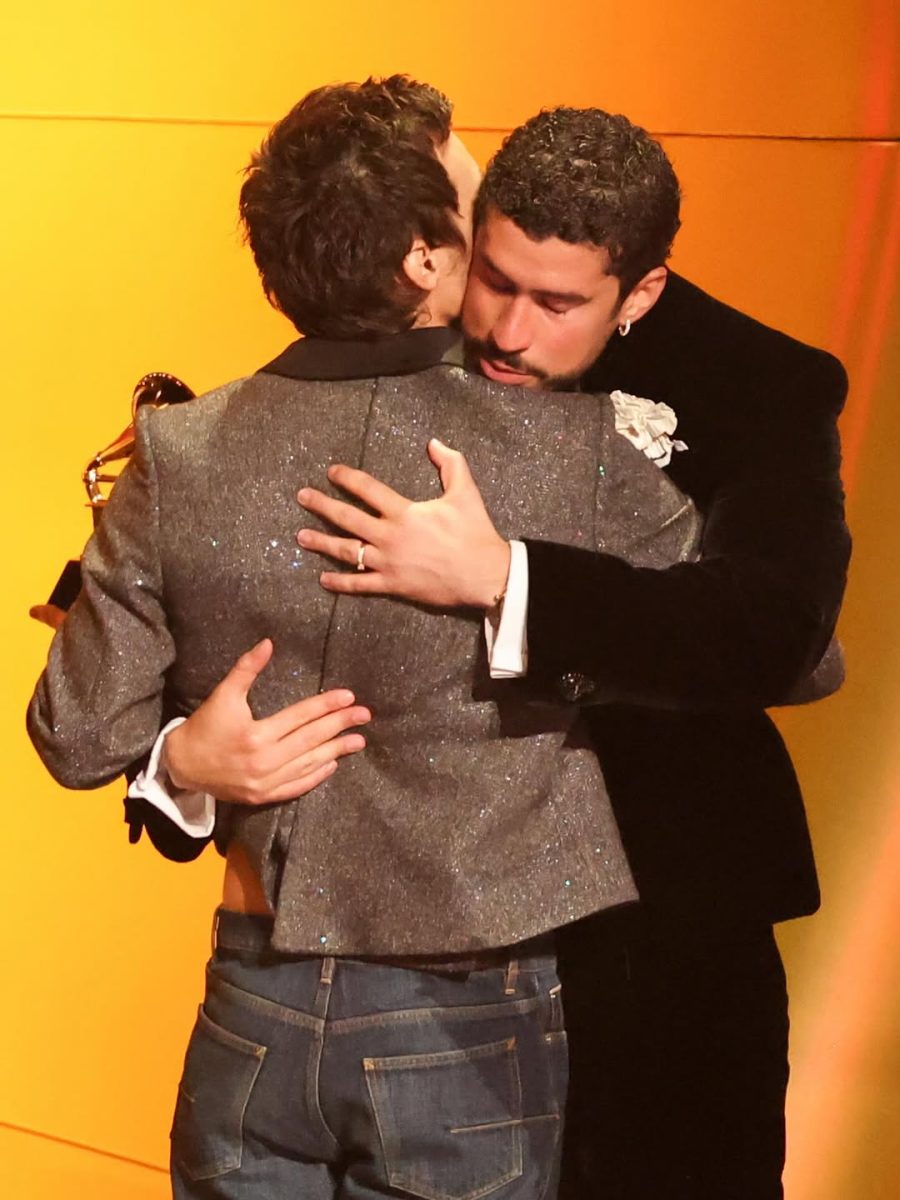
When Bad Bunny took the stage, he turned it into a podium for history, identity and even protest. Winning Album of the Year for DeBÍ TiRAR MáS FOToS, it became the first Spanish-language album to win the award. As he sat in his chair before approaching the stage, the moment of silence represented a validation of his roots as he likewise held the weight of the entire Latino community. By speaking about ICE and the current situation across the United States, the immigrant population moved through him, feeling heard and seen. This was an incredibly important moment for all of America.
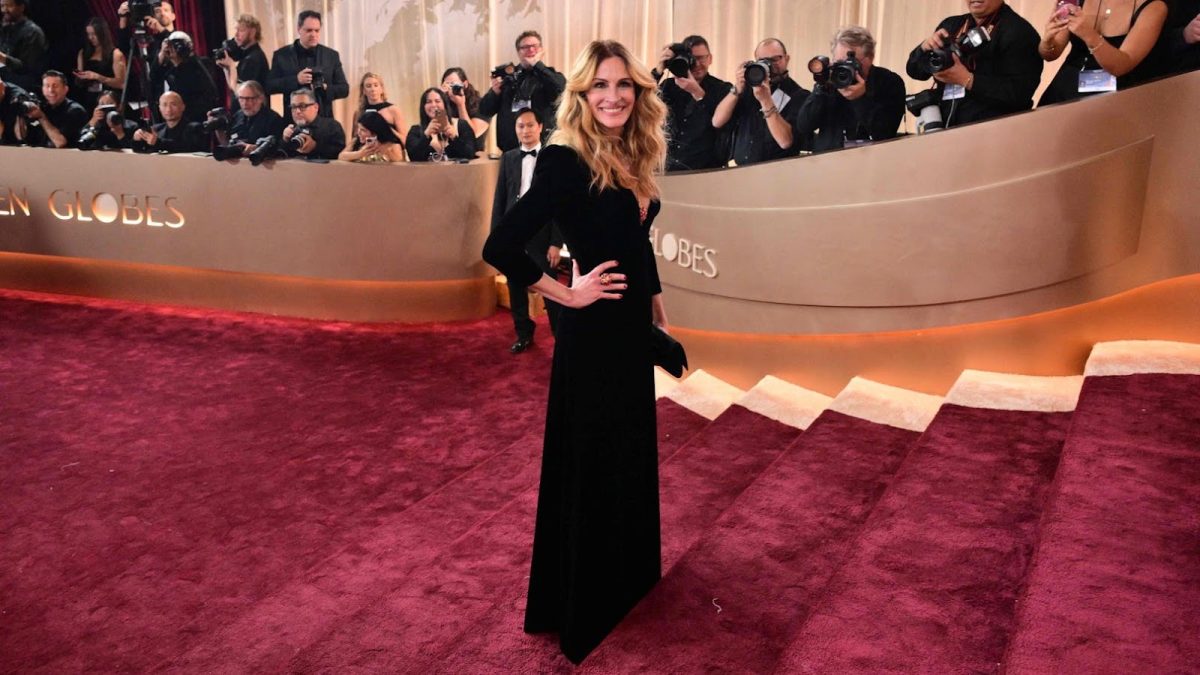
While posing for pictures on the red carpet and networking around the GRAMMY floor, celebrities surprisingly took it upon themselves to take a stand against U.S. immigration crackdown and federal enforcement actions. The night was full of entertainment and most importantly, history was made on stage.