










On January 8, 2026, the Iranian government initiated a near-nationwide internet blackout to suppress protests against the government and the deteriorating economy. The protests spread to more than 100 cities, marking one of the largest challenges to the Islamic Republic, while security forces responded with mass arrests across the country.
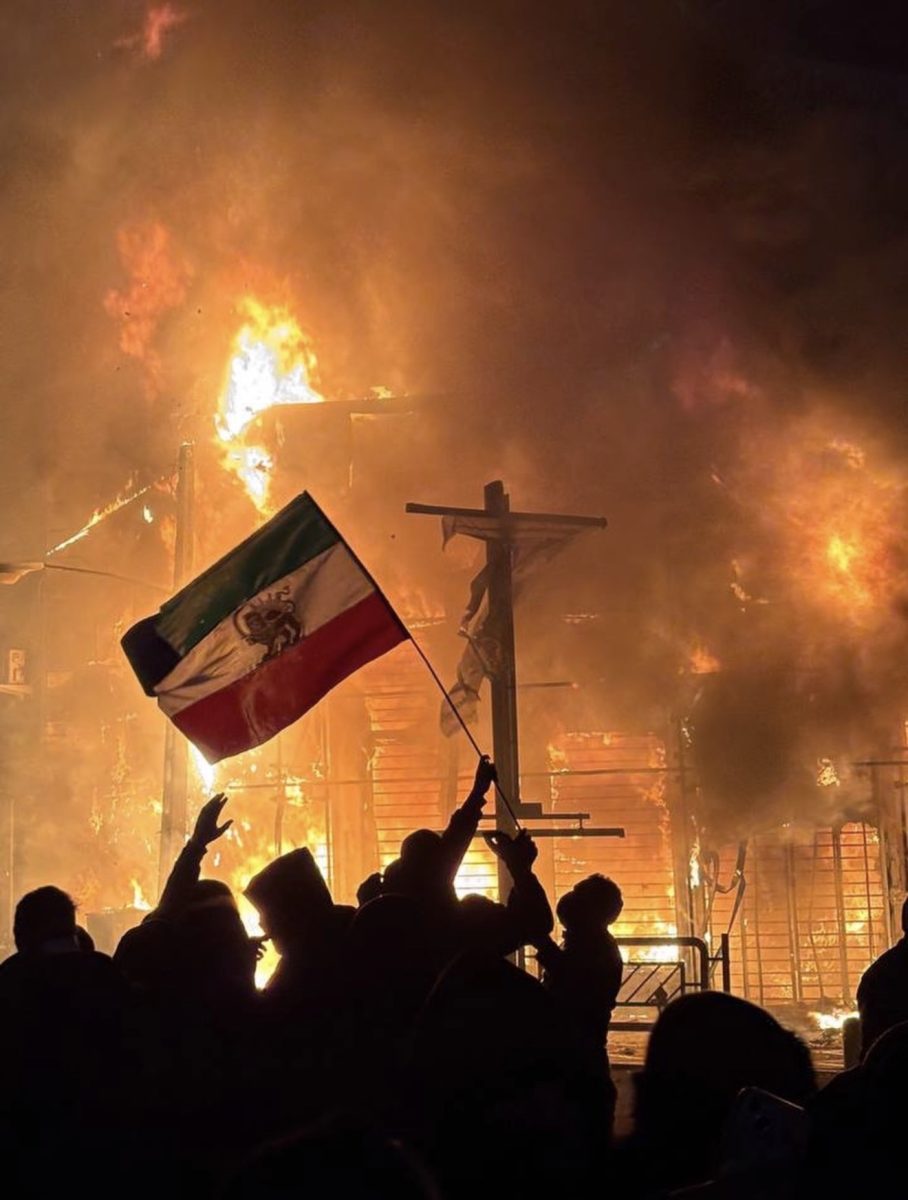
The protests began in Tehran’s Grand Bazaar after a currency policy change triggered sharp inflation, in which price increased for basic goods and daily necessities, increasing public anger over the economic crisis. What started as economic protests has evolved into a broader call for political change, with some demonstrators publicly speaking against Supreme Leader Ayatollah Ali Khamenei and demanding an end to the Islamic Republic. Some protesters also aligned with exiled Crown Prince Rena Pahlavi, who urged Iranians to take the streets and unite against the regime.
The government cut internet and phone services as protests escalated in Tehran and other major cities, a tactic often used to conceal government violence and limit international intervention. Human rights groups reported at least 45 protesters killed, hundreds injured and more than 2,000 detained. The numbers are still increasing as mass protests continue, though official Iranian reports remain unclear.
Despite the shutdown and pressure from the government, videos of protest continued to spread online. After the government attempted to control the protests with security forces, protesters turned violent. Footage online shows large demonstrations across cities. Crowds have taken down national symbols, set government buildings on fire and physically interacted with security forces.
The current demonstrations are significant because they began with the bazaaris, which is a traditionally conservative group that played a key role in the 1979 Islamic Revolution in Iran. The participation of the bazaaris emphasizes the discontent among social groups that historically supported the government.
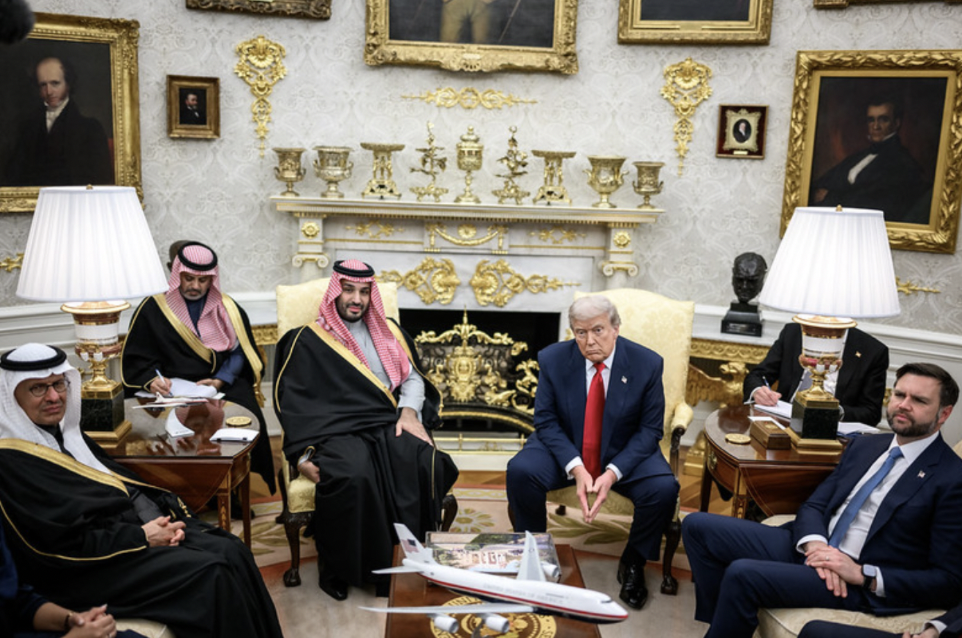
The country is also experiencing pressure from the increasing foreign threats. Following the war with Israel, the government of Iran responded violently to the mass protests only six months after the war that killed thousands of Iranians. Now, Israel and the United States continued to pressure Iran, with President Donald Trump threatening further military action.
The protests reflect long term public frustration with corruption, economic mismanagement and political stagnation. The tension is only heightening among the nation, with the ongoing sanctions and fears of potential military conflict in the future.