







What started as an interception of oil tankers culminated in the United States’ invasion of Venezuela and their president, Nicolás Maduro.
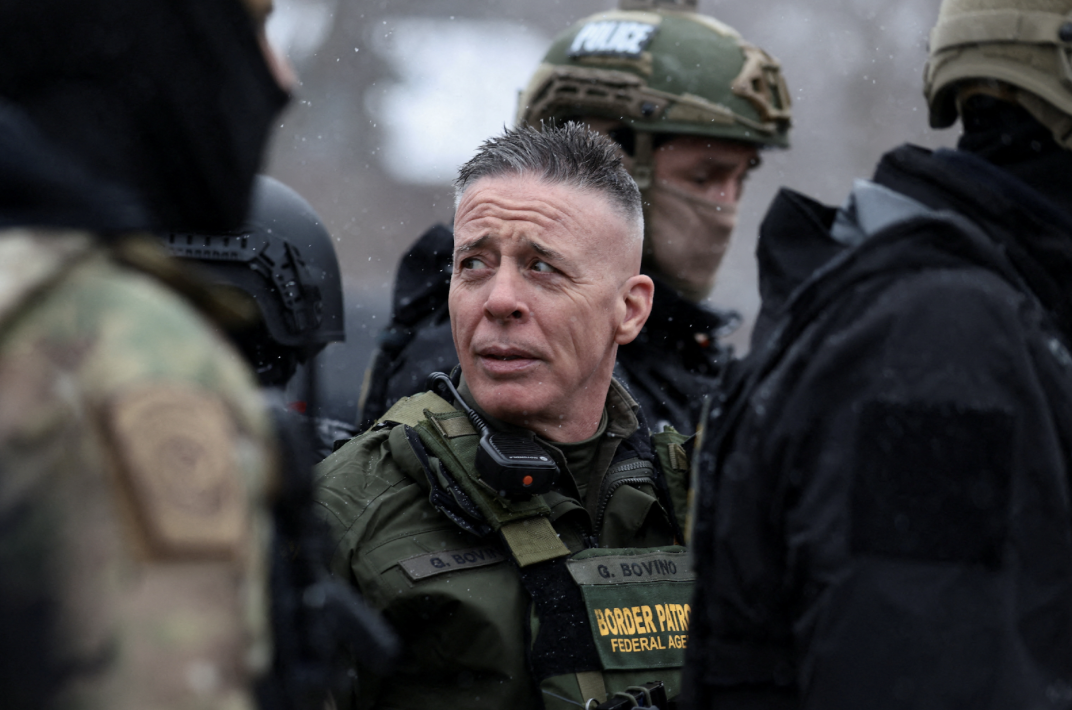
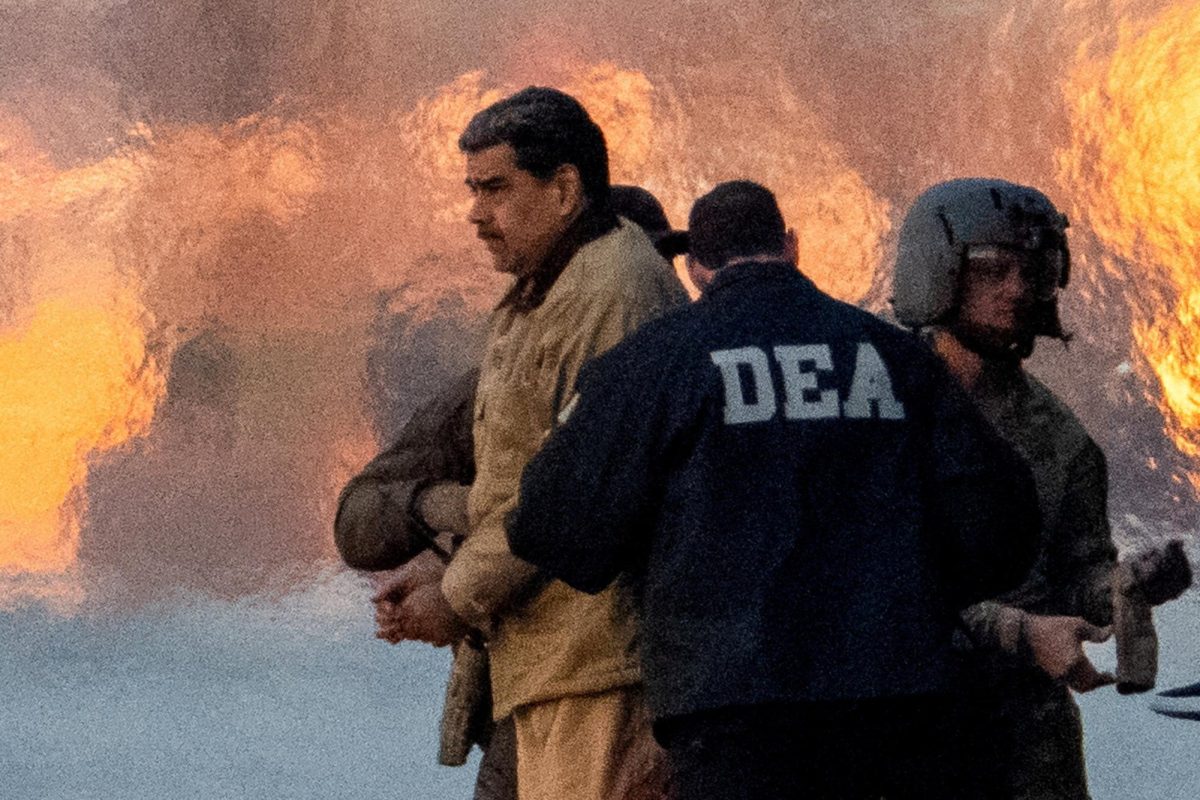
In a military operation, the U.S. arrived in Venezuela’s capital city of Caracas on January 3 and captured Maduro and his wife Cilia Flores. The attack was justified by the Trump administration by mentioning the recent focus on stopping the flow of illegal drugs from South America into the United States. However, following the attack, Trump has discussed Venezuela’s oil reserves as well as ruling the country under a new leadership.
Far from impulsive, the attack was in its beginning stages as early as August, when a CIA team landed in Venezuela to gather intelligence. Replicas of Maduro’s compound were used in rigorous trainings. Starting in September, the Trump administration moved to the Caribbean and destroyed 34 vessels that were allegedly carrying illegal drugs with a final destination of the U.S.
A tension-filled relationship between President Trump and Maduro has been apparent years previously, since the first Trump administration filed an indictment against Maduro back in 2020. Similar to the charges from this year, the indictment dealt with drug-trafficking charges in attempts to remove Maduro from power.
After President Hugo Chavez’s death in 2013, Nicolas Maduro won the presidency through election as part of the United Socialist Party. Maduro maintained his role in the 2024 presidential election, but disputes on the legitimacy of the election led him to be considered an illegitimate president by countries such as the United States.
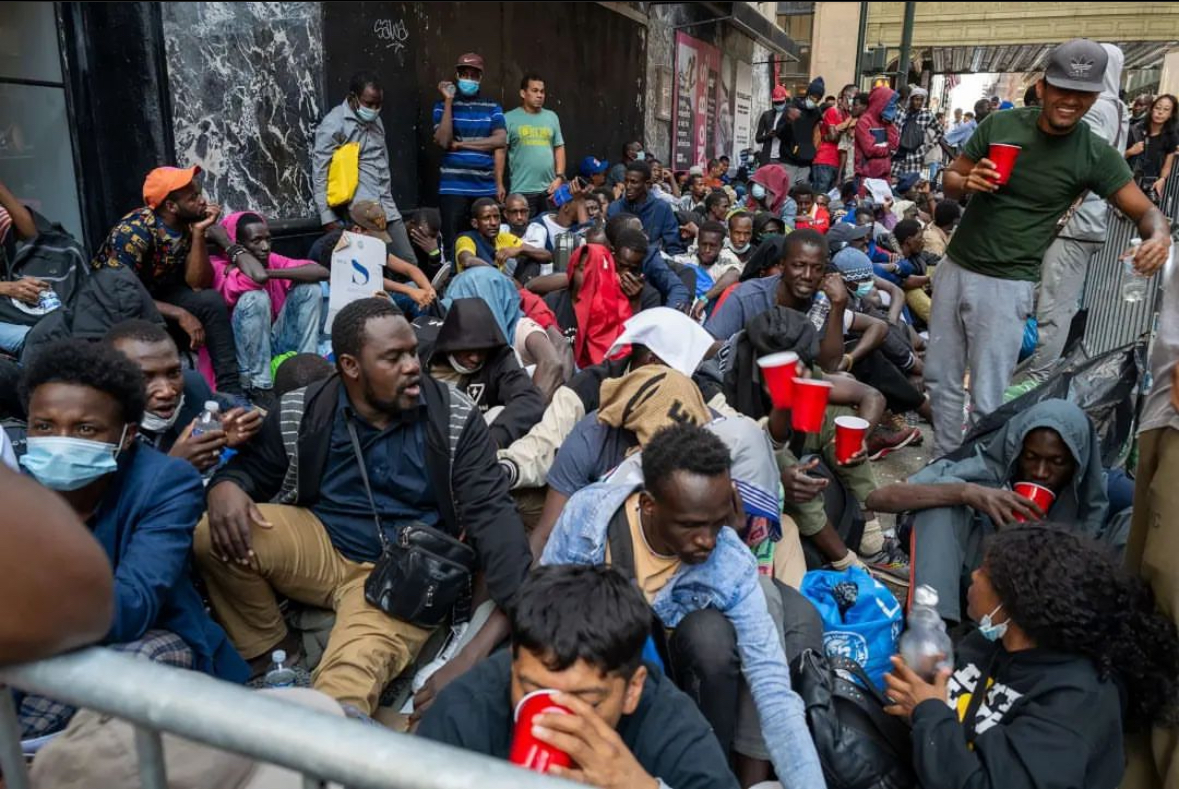
During his regime, the economy has plummeted, and over 8 million Venezuelans have sought refuge from prosecution in several countries, the most prominent being the U.S. Over 90% of the population lives under the poverty line, and the nation faces food shortages. The regime was characterized by a strong military presence that has remained since Maduro’s capture.
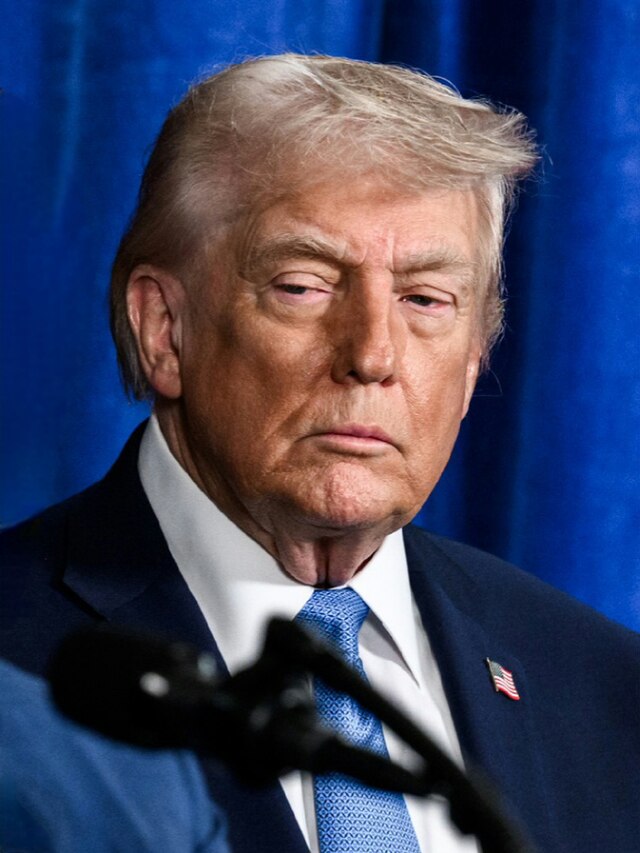
On the topic of new Venezuelan leadership, Trump said, “We’re going to run the country until such time as we can do a safe, proper and judicious transition.” Secretary of State Marco Rubio clarified by saying that no date has yet been set for an election, but the U.S. will be involved in rebuilding leadership. Meanwhile, Venezuela placed Delcy Rodriguez in the role of Interim President.
A lawyer with a degree from the University of Venezuela, Rodriguez was appointed Venezuela’s vice president in 2018 under Maduro. With her father being a co-founder of the Socialist League in the 1970s, and her brother, Jorge Rodriguez, being Chavez’s vice president, Rodriguez has close political ties to the Maduro regime.
While Trump described the aftermath as the U.S. being “in charge,” Rodriguez took to Instagram to say a “balanced and respectful relationship,” needed to be established between the U.S. and Venezuela. Critics such as Douglas Farah, an international consultant focused on Venezuela, said in an interview with The Hill that “she then has to walk this very tight line, she can do what Padrino López and Diosdado and a few other power centers, her brother … who is also a very important figure, allow her to do.” The U.S. did not intervene in the inauguration, but Trump said over a phone call interview that “if she doesn’t do what’s right, she is going to pay a very big price, probably bigger than Maduro.”
Who will be the long-term leader in Venezuela’s political reconstruction remains ambiguous as both countries claim the right to govern.
Edmundo Gonzalez, a candidate in the 2024 Venezuela presidential election, took to social media saying he is the new president. The U.S. officially recognized him instead of Maduro as the winner of the 2024 election.
Trump has also mentioned tapping into oil reserves. Despite Venezuela being one of the world’s largest oil reserves, under the Maduro regime the country’s economy has tanked. Additionally, the country produces less than 1% of the world’s oil, with its biggest buyers being the U.S and China.
Major oil companies in the U.S. such as ExxonMobil do not share Trump’s enthusiasm, rendering the land “uninvestible.” Darren Woods, the CEO of Exxon, said there is a team prepared to assess the situation.
On January 5, Nicolas Maduro and Cilia Flores appeared in a New York court. Both pleaded not guilty on charges of drug trafficking, firearms and federal narco-terrorism. The next court dates for both are scheduled for mid-March. In the meantime, they are being held in the Metropolitan Detention Center (MCD) in Brooklyn, New York until further notice. MCD’s reputation is one filled with high profile clients as well as staffing shortages and complaints from detainees.
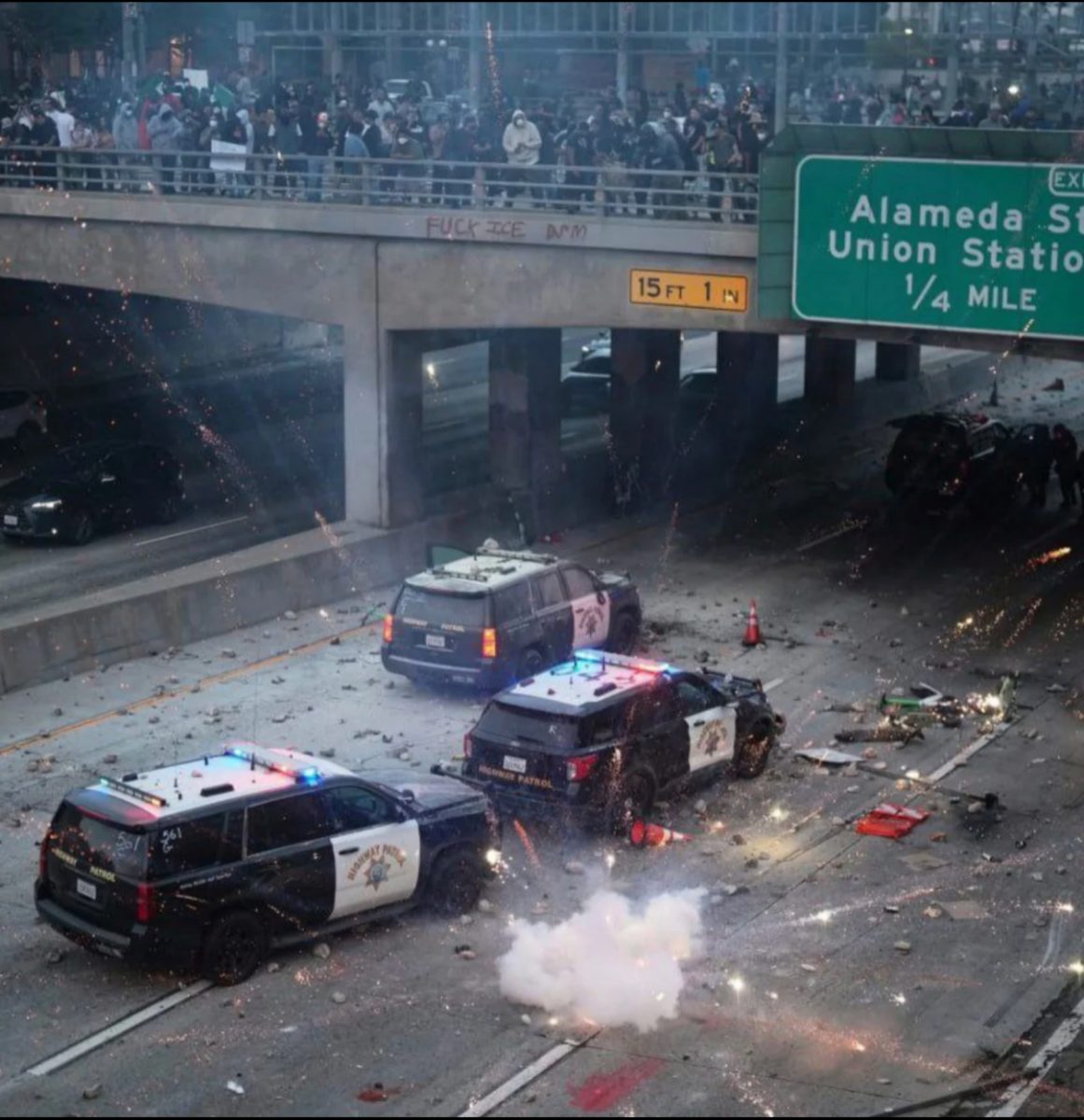
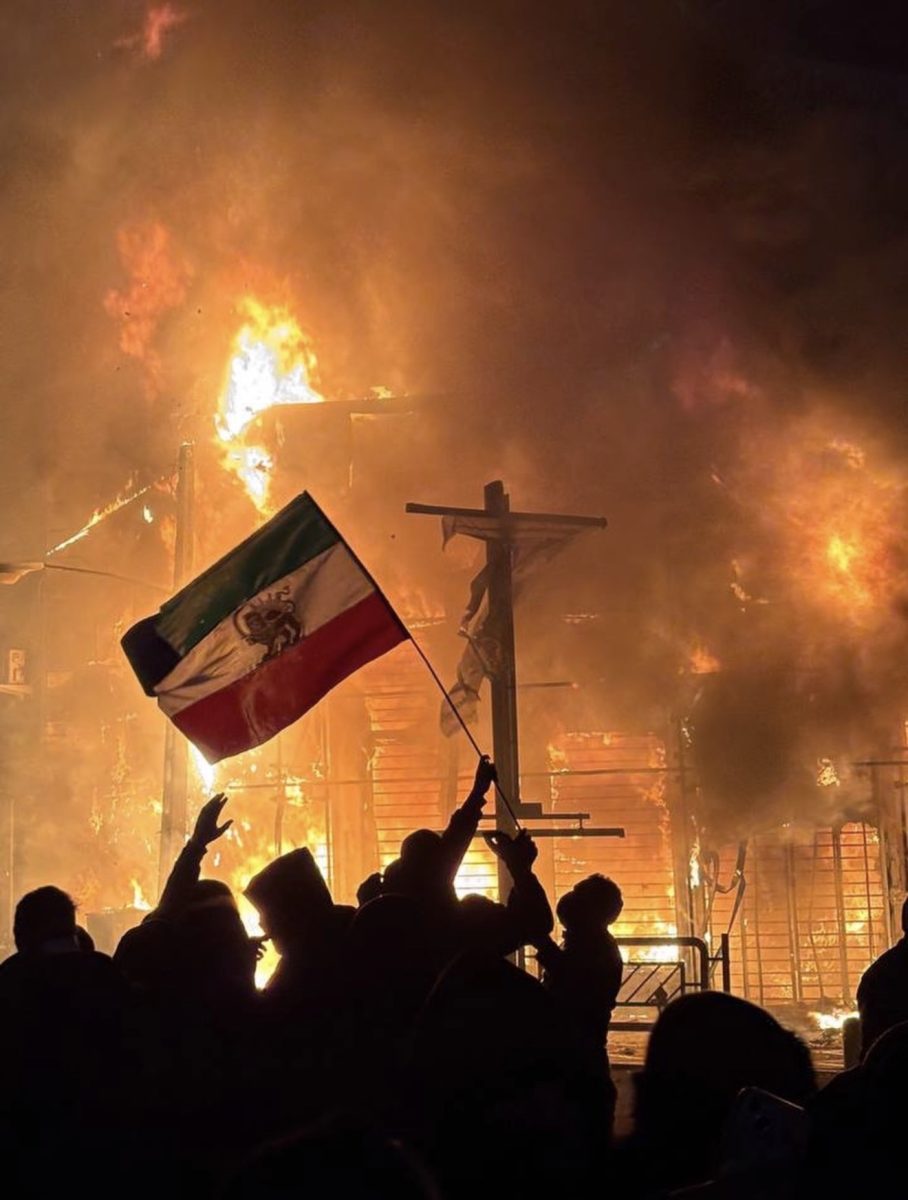
Reactions to the attack varied, with supporters of the Trump administration viewing the event as a success and world leaders worrying about the international legality of the strike. Venezuelans around the world gathered on the streets of the U.S. to celebrate the news, waving flags and playing music. Others participated in protests with the catchphrases “hands off Venezuela” and “no blood for oil.”
The future of Venezuela remains unclear, with the world opining on its next steps.