














Imagine having stage four cancer with no ability to become healthy again. Some would fulfill all of their life’s dreams and spend time with the family until the sickness takes their life. Some, however, might not want to continue a life in pain, and turn to options other than painkillers. That raises a question: would some want to stop feeling the pain instead of suffering to live a month more? I would. That is what euthanasia is all about; it is not meant for shortening a life that can still be enjoyed and lived to its fullest, but it is for a dignified, peaceful exit to those whose bodies are failing them. People lying in bed surrounded by four white hospital walls often feel powerless. Neither doctors nor relatives should be able to override the suffering patient’s choice. The decision must be entirely theirs, guided only by the law and their own moral principles.
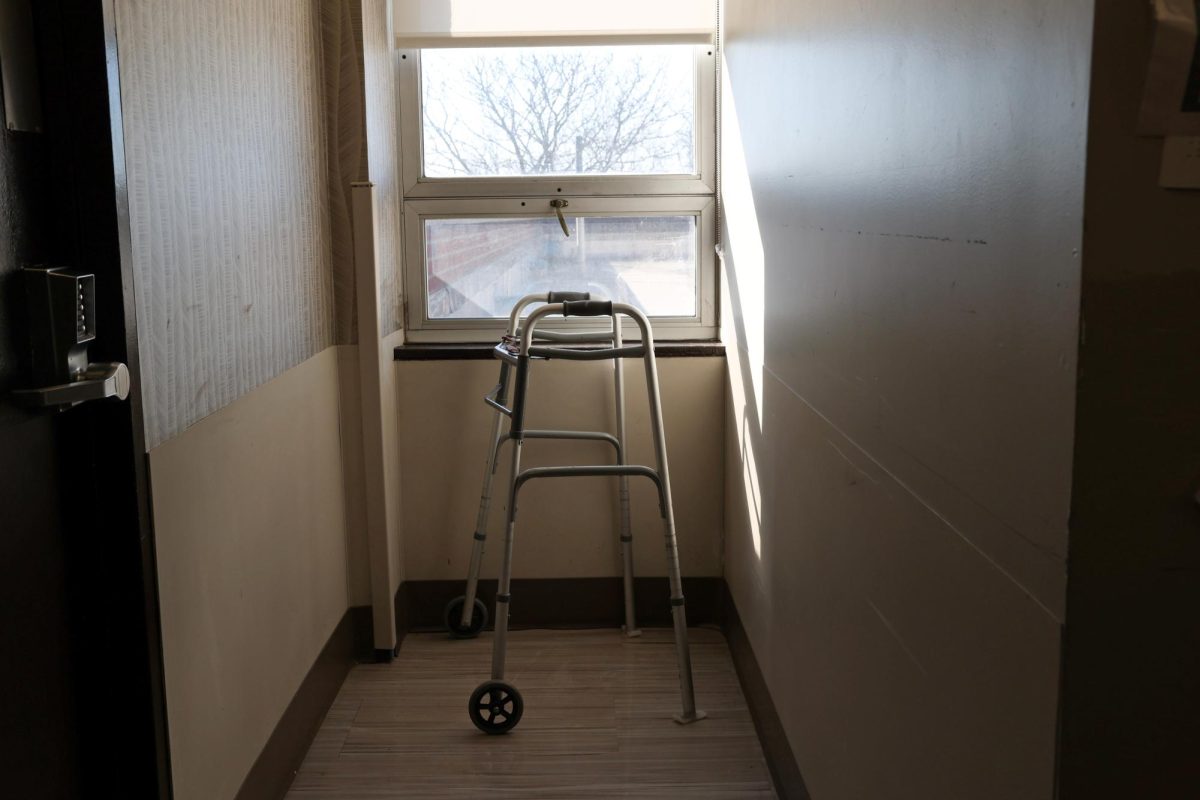
Some live their life until it’s too painful to continue. There are plenty of people who fight for their lives; mostly, they are inspired by hope. All over the world, doctors are fighting for people too, and trying new and existing technologies to give patients hope of overcoming sickness one day. There are often days, though, when even the sunniest scene would not give one a little relief. Then, the decision on whether to continue the daily routine of injecting many chemicals into the body or to enjoy one final week with your family is up to you. When living with the pain, there might also come a feeling of missing out because the legs won’t hold the body anymore, and the weakness might come from not having enough strength to approach the window and look outside. It is, then, all about the motivation and the dreams that you have, lack or want to bring back and make true.
Euthanasia is one of the main methods of medical end-of-life intervention. Active euthanasia is when the doctor injects the lethal substance into you. Being approved for it means having a terminal illness confirmed by two doctors and proving that you are thinking for yourself without external coercion. Meanwhile, passive euthanasia is simply about not giving further treatment to the patient and letting them pass away from the troublesome illness they were trying to overcome. Today, the legal and medical framework constructed for this is often called Medical Aid in Dying (MAID) or assisted suicide, which involves prescribing a patient a dose of drugs that constitutes a lethal amount.
Countries that have legalized euthanasia, like Belgium, Spain and Colombia, have taken different approaches to making it accessible. While Belgium and Spain center on making it a way to respect one’s will and manage terminal illness, Colombia demonstrated that it is the right of the person. The small steps towards granting people’s wishes began long before the first official legalization in 2002 in the Netherlands. In the late 1990s, Colombia became the first in Latin America to waive punishment for terminal patients who requested a dignified death. Although the countries have different reasons for adopting this peaceful way to die, all of them concern allowing individuals to choose when, how and where the procedure will be performed. They all believe that the person whose medical condition is not improving should have a choice. According to decades of data from the Oregon Health Authority, the vast majority of patients seeking this option cite the loss of autonomy as their primary reason.
Someone who can’t perform daily tasks like preparing a meal or simply using the bathroom without help feels powerless. Imagine a toddler who can’t do any of that, either. That kid will grow and learn. The parents will see the improvement and say “Good job!” to their precious child who just sorted their colors correctly. What about the 40-year-old person who has no family and is left alone with no one to support them besides the medical staff, who do it to receive a salary? Then what? After suffering in a wheelchair in a body you can’t control anymore, the people who have actively participated in community life their whole life might lose their sense of purpose. Remaining active might inspire them to act and motivate others through their own experience. There are, nevertheless, those who would not be fans of returning to the same lifestyle while being different. People with disabilities may not be happy in a place that was once filled with the joyous laughter and players of tag that were so dear.
The U.S. generally doesn’t allow euthanasia. However, MAID is allowed in 10 states, leaving the question of why the US refuses to consider it nationwide. It comes down to the oath doctors take upon graduating: “do no harm.” The doctor is viewed as a healer, not a killer. But we have to remember that these oaths were written centuries ago, long before machines and modern medicine could artificially keep a failing body alive. Today, it is becoming easier to understand that fulfilling the final request of a suffering patient isn’t doing harm—it is helping. More and more doctors are considered healers now by the multiple families who saw their loved ones struggle for months or years, but finally got to leave peacefully.
It is also feared that legalizing these practices could lead to the coercion of vulnerable, elderly people and that eligibility for those who can get MAID would expand. While the government is concerned, it should shift its focus to the economic reality of spending money on prolonged medication and cancer treatments. The concerns are real for both the government and the families. Sometimes the expenses can reach the point where family members take out unpayable loans just to get the treatment. So, if the patients could decide what to do on their own, they may not prolong the treatments that are only slowing down (rather than preventing) death and must be paid for by their family.
The human instinct to fight for life is universal, and medical science should always support those striving to get better. However, allowing a person to pass away peacefully with their family all around them, rather than merely surviving another day in unbearable pain, is more ethical. Though it might seem selfish to the people you love most, there is no shame in choosing relief and sparing your family the pain of watching your body fail. It brings much-needed peace to both the patients and their loved ones.