






![Dec 21, 2024; Orlando, Florida, [USA]; Tiger Woods hits out of the bunker on the fourth hole during the PNC Championship at The Ritz-Carlton Golf Club.](https://spectator.lfanet.org/wp-content/uploads/2026/04/2026-04-03T174851Z_1_LYNXMPEM320LZ_RTROPTP_4_GOLF-1200x800.jpg)
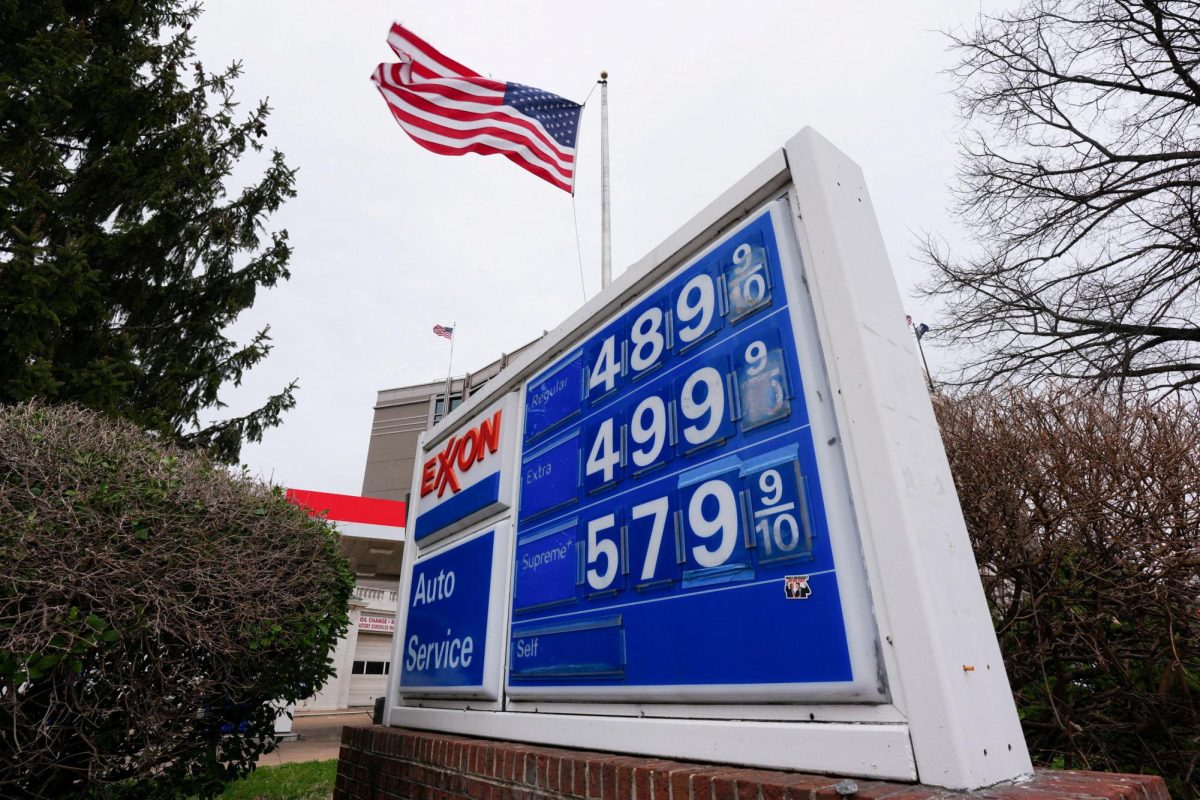















Gas prices have soared since the United States and Israel launched strikes on Iran, alarming Americans at the pump. In late March, national prices reached $4 per gallon, while diesel prices climbed by 50% in some regions, marking the highest gas prices in over two years. While gas prices typically are not directly affected by the president’s actions, President Trump has gained criticism for initiating the conflict that caused this crisis. As a result, the president’s approval rating for his handling of the economy has plunged to 31%, even though lowering prices was a key aspect of his presidential campaign. To mitigate this crisis, Trump ordered for 172 million barrels of oil to be released from reserves, but according to CBS News, this action may take time to have a perceivable impact.
A main cause for the sharp increase in gas prices has been conflict in the Strait of Hormuz. Located between Oman and Iran, the Strait of Hormuz sees 20% of the world’s oil production passing through its waters each year. However, after U.S. attacks, Iran’s Islamic Revolutionary Guard Corps (IRGC) threatened to bomb any ships attempting to pass through the strait. According to Reuters, the IRGC has already attacked at least 20 vessels and set up sea mines throughout the strait. This has led to a major increase in oil and gas prices.
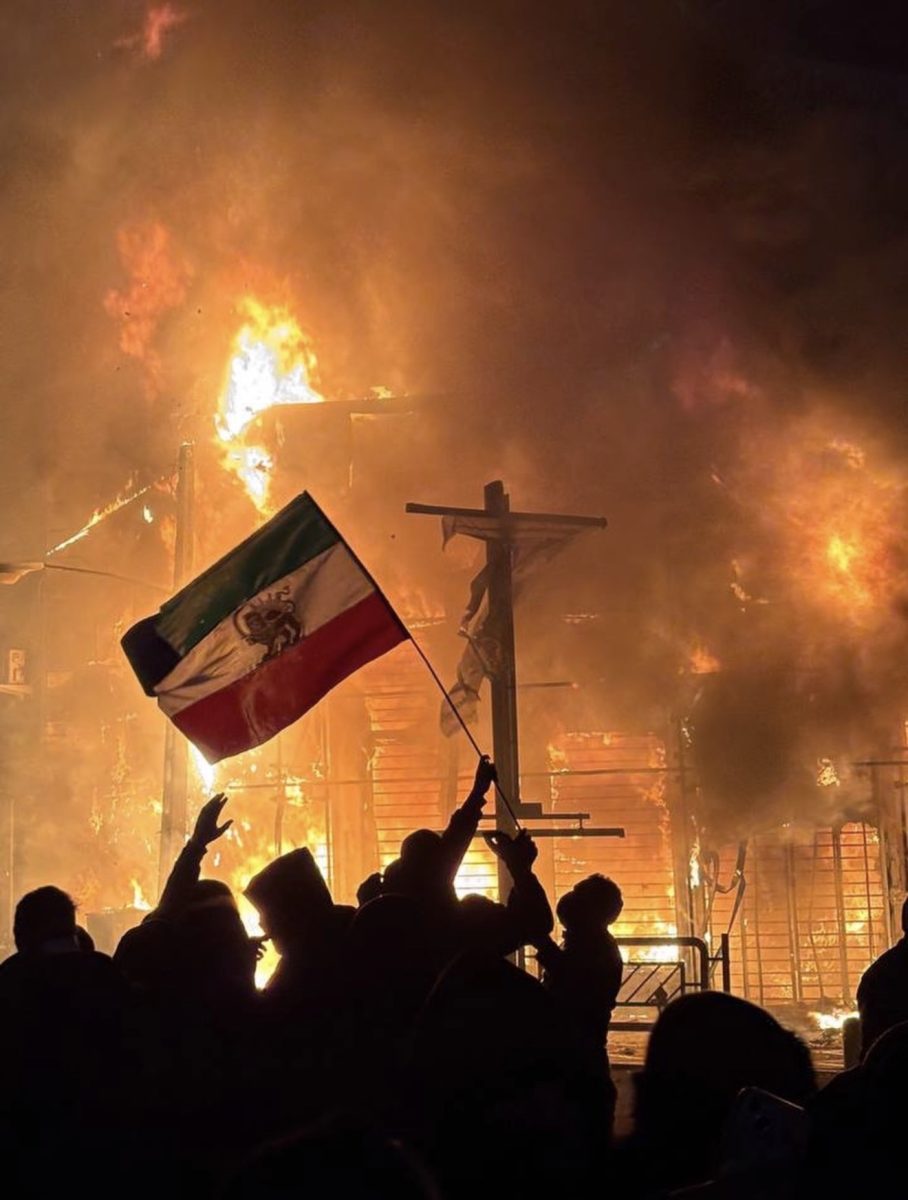
The ambiguity of the war between the United States and Iran has made the crisis even more stressful. The Trump administration has not been consistent with their reasons for launching the strikes or with their current objectives in Iran. The president has attributed the decision to the Iranian government’s violent suppression of protests in January, a potential Iranian attack on the United States, possible nuclear facilities in Iran and many other rationales. Trump has been similarly inconsistent with his outlook on the course of the war. He has often switched between praising the military for defeating Iran to claiming that the U.S. would need to continue fighting for weeks, if not months. This confusion has concerned many Americans, unsure of when they can expect prices to drop.
Good news seemed to arrive on April 8, when a two week cease-fire was announced between the belligerents. However, peace talks in Pakistan between Iran and the United States did not have great success, particularly regarding opening the Strait of Hormuz. The ceasefire was tested on April 12 when Trump, increasingly frustrated with Iran’s regulation of the Strait of Hormuz, declared that he would blockade Iranian ports in the strait to put pressure on Iran’s economy. Iran responded by threatening all ports in the Persian Gulf and the Sea of Oman.
On April 17, a cease-fire was announced in Lebanon, leading Iran to announce that they would completely reopen the Strait of Hormuz. This was met with optimism around the world, although it was not immediately clear how long the strait was going to remain open. Trump first appeared to be grateful for the strait’s reopening, but later announced that the U.S. blockade of Iranian ships would continue to be in effect. Enduring uncertainty surrounding this crisis continues to cause anxiety in both consumers and nation leaders.